Garden designs you can implement fast: mulch to retain moisture, raised beds to avoid pests, and native plants for year-round color guide your choices so you improve health, reduce work, and avoid common hazards while saving time and water.
Primary Types of High-Impact Garden Enhancements
- Vertical planting
- Container gardening
- Hardscaping
- Mulching
- Native plantings
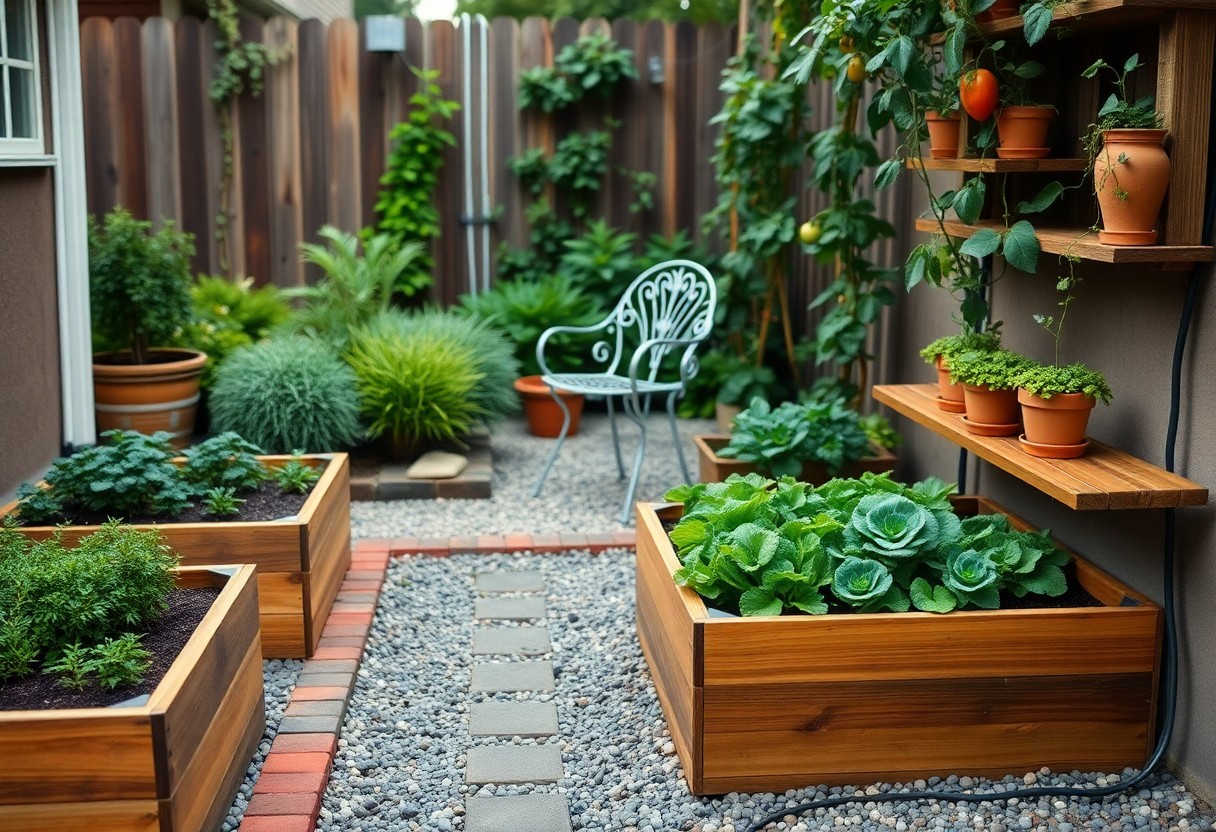
You can concentrate on a few targeted changes-like vertical planting and container gardening-to maximize visual impact and productivity while minimizing effort and cost.
| Vertical planting | Saves space, adds height |
| Container gardening | Mobility and microclimate control |
| Hardscaping | Defines areas and reduces maintenance |
| Mulching & soil | Moisture retention, weed suppression |
| Native/drought-tolerant | Low water needs, pollinator support |
Vertical Planting and Trellis Systems
Trellises let you grow up instead of out, freeing ground space and creating focal height; you should secure sturdy supports, space plants to improve airflow, and avoid invasive vines that can overrun beds.
Container Gardening for Small Spaces
Pots give you flexibility on balconies or patios-select well-draining pots, match container depth to root systems, and use lightweight, rich soil mixes for easier watering and harvesting.
Soil blends with compost and perlite improve aeration and nutrient delivery; you must watch for overwatering, the most dangerous threat to container roots. This helps you avoid root rot and keeps containers productive.
Step-by-Step Guide to Implementing Garden Upgrades
Start by listing small upgrades and prioritizing easy wins you can complete in a day: edging, adding mulch, repairing paths. You should focus on actions that deliver visible change with minimal effort, like a fresh layer of mulch and tidy borders that immediately improve curb appeal.
Use the table below to match tasks and tools so you can plan a weekend of work and avoid extra trips. You should mark items that affect drainage or present safety concerns-label these as hazards to address first.
Quick Task Planner
| Task | Why / Tools |
|---|---|
| Clear debris & weeds | Frees beds for planting; tools: gloves, rake, hoe |
| Test soil & amend | Adjust pH and add compost; tools: test kit, compost |
| Improve drainage | Prevent standing water with sand or raised beds; tools: shovel, level |
| Install plants & mulch | Group by type, mulch 2-3 in to retain moisture; tools: trowel, mulch |
Site Preparation and Soil Conditioning
Prepare the planting areas by removing weeds, roots, and debris so you can work with clean soil. You should test pH and add organic matter where levels are low; for compacted clay, incorporate coarse sand to reduce waterlogging and improve drainage.
Loosen soil to 6-8 inches and mix in compost so roots establish quickly. You must wear gloves and eye protection when handling old structures, and flag rotten posts or sharp metal as hazards before proceeding.
Strategic Plant Installation and Mulching
Plant in clusters to maximize visual impact and minimize upkeep; you should stagger heights and flowering times for continuous interest. Place deeper-rooting species where soil depth is greatest and avoid crowding near foundations to prevent moisture problems.
Space plants based on mature size and apply a 2-3 inch layer of mulch to conserve moisture, suppress weeds, and moderate soil temperature. You should keep mulch pulled back from stems to prevent rot and inspect for pests under thicker layers.
Finish installations by watering deeply to settle soil and using a slow-release fertilizer if tests indicate low nutrients; you should monitor new plantings for several weeks and remove any that show persistent stress to stop disease spread.
Pros and Cons of Common Landscaping Materials
You can make smarter choices by matching materials to use, climate and budget; durability vs cost often guides the best option for paths, beds and edging.
Choosing lower-maintenance options reduces upkeep time, but you should weigh hazards like slippery surfaces or pest risks against aesthetic gains.
Pros and Cons
| Gravel: low cost, excellent drainage | Gravel: shifts underfoot, can be sharp, weeds |
| Mulch: improves soil, inexpensive | Mulch: needs regular replenishing, can attract pests |
| Natural Stone: very durable, premium look | Natural Stone: high install cost, heavy and labor‑intensive |
| Pavers: uniform finish, replaceable sections | Pavers: can settle, require joint care |
| Concrete: low cost, versatile | Concrete: can crack, hard surface may be unforgiving |
| Timber: warm appearance, easy to work | Timber: prone to rot and insects without treatment |
| Artificial Turf: low watering, consistent look | Artificial Turf: heat retention, not biodegradable |
| Metal/Steel: durable edges, modern aesthetic | Metal/Steel: can rust, may be sharp if damaged |
| Brick: classic look, long lifespan | Brick: mortar maintenance, can be costly |
| Rubber: soft underfoot, recycled option | Rubber: can fade, limited high‑heat tolerance |
Durability and Aesthetics of Natural Stone
Stone provides a high‑end look and exceptional durability that withstands weather and traffic, making it ideal for long‑term hardscaping.
Sealing reduces staining and freeze‑thaw damage, but you should expect higher installation costs and consider textured choices to avoid slippery surfaces when wet.
Maintenance and Cost of Timber Elements
Timber adds warmth and design flexibility; treated hardwoods resist decay better but you must plan for ongoing protection against rot and insects.
Budget will influence whether you choose softwood or hardwood, and you should include finishing and periodic replacement in cost estimates.
Long-term care involves staining, sealing and inspections; you can extend timber life by ensuring good drainage and using rot‑resistant species.
Professional Tips for Sustaining Garden Vitality
You can extend plant health by aligning simple routines: test soil, mulch, and set smart watering. Avoid overwatering that invites root rot, and favor deep, infrequent watering to strengthen roots.
- Use efficient irrigation like drip lines and timers
- Schedule based on soil testing and actual moisture, not calendar
- Apply seasonal pruning to remove dead or crossing branches
- Choose nutrient supplementation with slow-release fertilizer or compost
Efficient Irrigation and Water Management
Optimize water use by installing efficient irrigation systems and grouping plants by need so you reduce waste; use timers or moisture sensors to trigger deep watering and collect rainwater to cut demand.
Seasonal Pruning and Nutrient Supplementation
Prune when plants are dormant to remove dead wood and improve air flow, and use soil tests to guide the type and timing of nutrient supplementation so you avoid overfeeding and pest attraction.
Perceiving the plant’s growth stage helps you time cuts and feeds; remove diseased limbs to prevent disease spread, retain mulch to conserve moisture, and apply targeted amendments to support recovery.
Conclusion
On the whole you can transform small plots with focused choices: choose low-maintenance plants, group by water needs, add paths and lighting, and reuse containers to boost visual impact. You will save time and create a cohesive, inviting space by prioritizing simple upgrades that deliver visible benefits without heavy cost or effort.