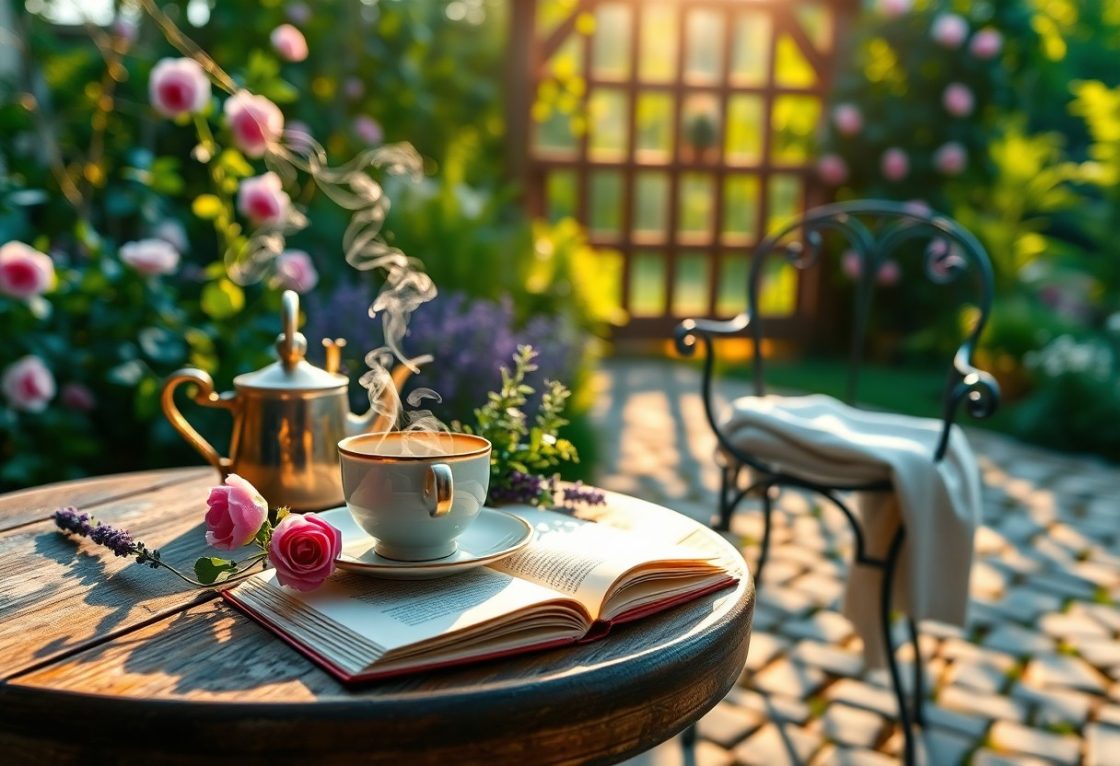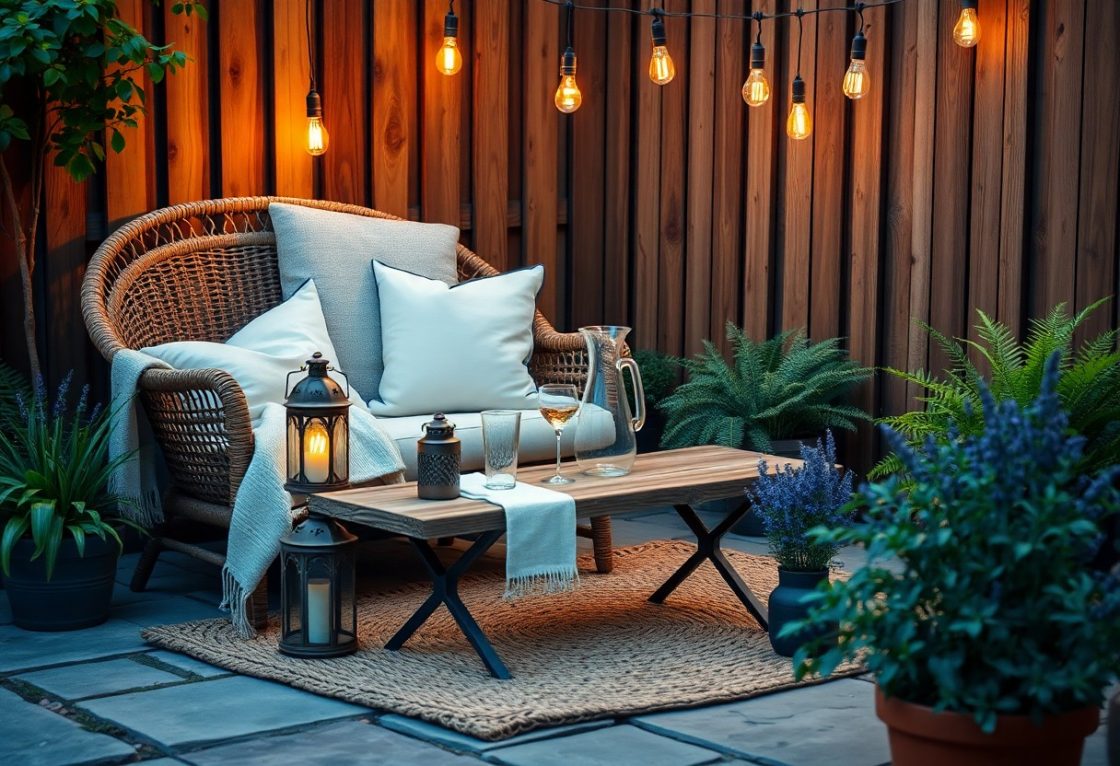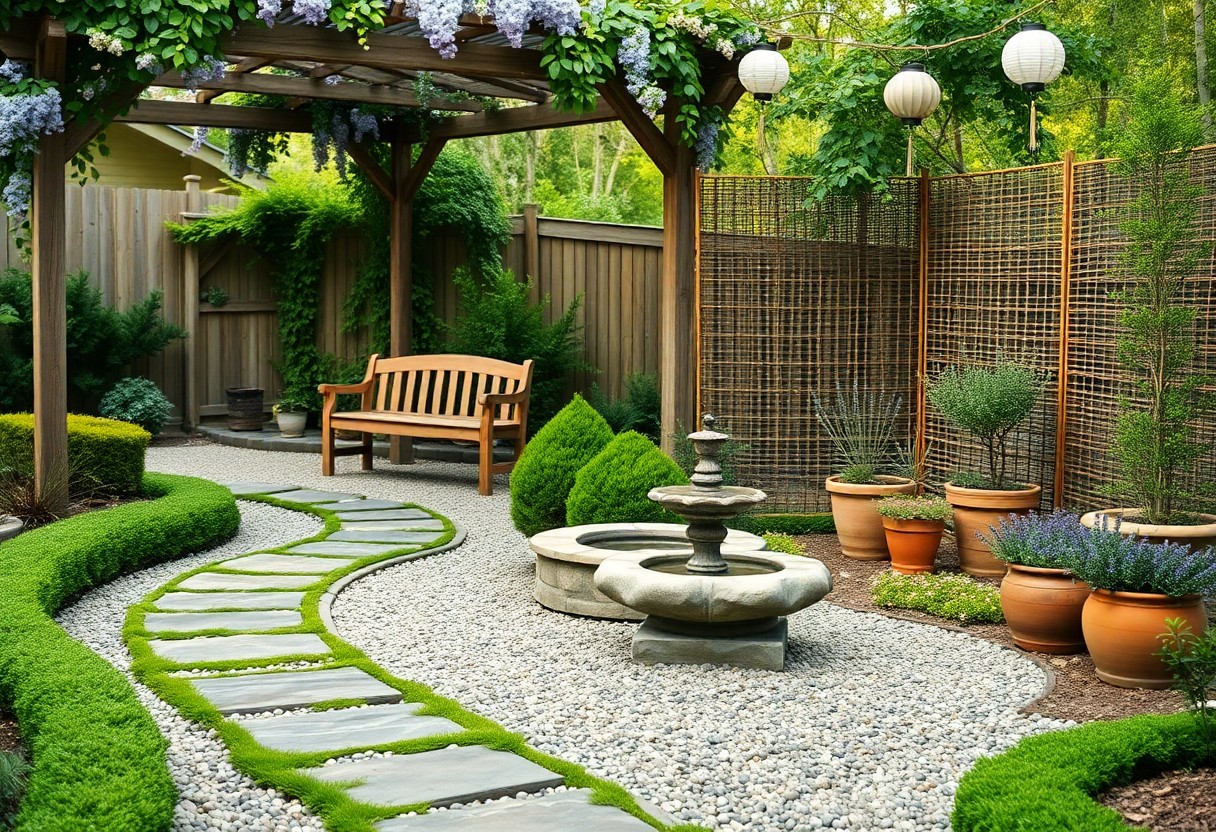
Many small changes help you transform your garden into a peaceful retreat: reduce noise and clutter, plant sensory shrubs, use soft lighting and water features, and avoid toxic plants for safety.

Core Factors Influencing Garden Serenity
Planting, soil and layout shape microclimate, scent and movement; you choose species that need low upkeep and attract birds. Use plants to create shade, texture and buffers for soundscapes.
- Plants
- Layout
- Soundscapes & acoustic privacy
- Visual harmony & color psychology
- Privacy
Knowing how those elements interact lets you prioritize small changes that deliver the most calm.
Managing Soundscapes and Acoustic Privacy
You can shape soundscapes by masking loud traffic with fibrous hedges, earth berms and water features; absorbent mulch and soft ground coverings reduce reflections. Position seating near dense planting to increase acoustic privacy and comfort.
Visual Harmony and Color Psychology
Color choices set mood: cool greens and blues soothe while warm tones add energy; you should favor muted palettes, repetition and limited contrast so your eye can rest. Apply color psychology to plant and furniture selection.
Balance form, scale and texture so focal points calm rather than jolt; avoid dense high-contrast groupings that create tension and stress. Repeat shapes and tones to strengthen visual harmony.
Depth comes from layering heights and tones; you can place taller elements at the back with lower, calming plants in front to create a sheltered, reassuring space.
Popular Types of Peaceful Garden Designs
Explore different approaches so you can match mood and maintenance to your site; focus on texture, scale, and soft sounds to calm the senses. You should also be mindful of danger spots like standing water that can attract pests.
Choose styles that fit your climate and time; common options include Zen, Woodland, Cottage, Mediterranean, and Water gardens.
- Zen
- Woodland
- Cottage
- Mediterranean
- Water
| Zen / Japanese | Minimal planting, stone, water basins for calm |
| Woodland & Wildlife | Layered natives, leaf litter, habitats for fauna |
| Cottage & Pollinator | Dense, flowering borders to attract bees and butterflies |
| Mediterranean / Drought-tolerant | Gravel, droughtwise plants, fragrant herbs |
| Water & Reflective | Ponds, streams, and reflective surfaces to mask noise |
Minimalist Zen and Japanese Influence
Adopt pared-back geometry and restrained planting so you can create contemplative sightlines; use stone, gravel, and a single focal plant to guide attention. Positive: this approach yields low upkeep and strong meditative cues.
Balance hardscape with soft plant textures and place seating to encourage stillness; place water basins or bamboo elements for gentle sound and natural materials that age gracefully.
Lush Woodland and Wildlife Sanctuaries
Create layered canopies, shrubs, and shade-loving groundcovers to invite birds and pollinators; keep some areas wild and unmulched to support soil life. Positive: you’ll boost biodiversity and seasonal interest.
After you establish canopy and understory, add log piles, native wildflowers, and small water features to support amphibians and insects while avoiding invasive plants and danger from polluted standing water.
Step-by-Step Guide to Layout Planning
| Step | Action |
|---|---|
| Survey | Map sun, shade and prevailing wind |
| Paths | Sketch circulation and sightlines |
| Zones | Outline seating, planting and utility areas |
| Refine | Adjust scale, add focal points and screens |
Establishing Secluded Seating Zones
Place seating where you can see key garden features while staying out of direct view from neighbors; orient benches toward focal points and use low screens to reduce visibility, ensuring comfortable seating on firm surfaces and clearing any tripping hazards.
Choose materials that feel durable and low-maintenance so you spend time relaxing, not repairing; position seats near scent or water sources so you enjoy sound and aroma while the sheltering planting increases privacy.
Implementing Strategic Planting for Privacy
Plant staggered rows mixing evergreens with taller perennials so you gain year-round screening and seasonal interest, and keep known poisonous species away from paths and play areas.
Layer shrubs in front of trees to build depth and block sightlines, spacing for mature size and leaving access so you can prune and maintain dense screening over time.
Select native shrubs and clumping evergreens with non-invasive roots so you support establishment with proper mulch and irrigation, and avoid species with invasive roots that can damage paths or foundations.
Pros and Cons of Water and Structural Elements
| Pros | Cons |
|---|---|
| Soothing focal points that mask street noise | Standing water can attract mosquitoes and pests |
| Improves microclimate and cooling effects | Increases humidity, which may stress some plants |
| Reflective surfaces add visual depth | Glare or unwanted reflections at certain times |
| Hardscapes create clear paths and seating | Impermeable surfaces raise runoff and heat |
| Low-planting areas reduce regular gardening | Heavy installation cost and potential settling |
| Stone and concrete are durable long-term | Cracks and joint weeds need ongoing attention |
| Water features attract birds and positive wildlife | Open water can draw unwanted animals or algae |
| Defined structures improve accessibility | Rigid forms can limit soft planting options |
Advantages of Gentle Water Soundscapes
You can use small fountains or streams to mask distant traffic and create a calm atmosphere. Soft, repeating water tones lower perceived stress and invite birds, making your garden feel more private. Emphasize consistent, gentle flow and shallow basins to avoid standing water that attracts insects.
Maintenance Challenges of Large Hardscapes
Large patios and retaining walls give you defined space but demand regular sealing, joint weeding, and drainage checks; neglect leads to poor drainage and erosion. You should budget for occasional repairs and cleaning to keep surfaces safe and attractive.
Plan routine inspections for cracks, clear debris from joints, and apply non-slip treatments to reduce fall hazards. You can lower long-term costs by choosing permeable pavers and gentle slopes that manage runoff.
Expert Tips for Enhancing the Atmosphere
Try layering scent, texture and sound so you shape a calm garden without extra fuss; place fragrant plants by seating, add soft-textured foliage where you brush past, and include a small water feature for gentle white noise. Avoid poisonous species if pets or children visit and prioritize low-maintenance choices to keep the mood steady.
- fragrance
- texture
- lighting
- sound
- safety
Selecting Fragrant and Soft-Textured Plants
Plant scented shrubs and soft-textured perennials near seating so you experience touch and aroma together; lavender, jasmine and lamb’s ear work well and calm the senses. Balance bloom times for continuous scent, and avoid high-allergen or toxic varieties if you host kids or pets.
Utilizing Subtle Lighting for Evening Calm
Use warm-toned, low-voltage fixtures and hidden sources to create pools of light rather than bright spots; choose LEDs with a warm color temperature and shield bulbs to cut harsh glare. Place lights to highlight paths and seating while keeping surrounding areas dim to support nighttime relaxation.
Adjust dimmers, timers and fixture angles so you control intensity without over-illumination. Thou should test placements at dusk to confirm sightlines and safety while preserving atmosphere.
Summing up
On the whole you can make your garden more peaceful by simplifying beds, choosing soothing colors and soft textures, and placing a quiet seating area where you can sit undisturbed. A small water feature or wind chimes adds gentle sound that masks distant traffic.
You should prune for clean sightlines, use low lighting for evenings, and plant aromatic herbs or night-blooming flowers to create a calm, restorative space you visit regularly.