Houses built decades ago reveal craftsmanship and stories you can read in moldings, beams, and floorplan quirks. The most important features are original woodwork and solid bones, the dangerous hazards include outdated wiring and lead paint, the positive reward is enduring charm.
Fundamental Factors Defining Architectural Soul
You sense how material choices, proportions and accumulated wear form the architectural soul that gives an old home its character, while original hardware and layered finishes narrate construction eras and ownership. Small imperfections become signatures you can read like a map, revealing both charm and maintenance risks.
- craftsmanship
- old-growth timber
- natural stone
- patina & proportion
The Legacy of Manual Craftsmanship and Detail
Hands of artisans left tool marks, bespoke joinery and hand-carved ornamentation you can inspect closely, and those marks teach you about original techniques; some features also hide hidden risks like loosened fastenings or worn finishes that require careful remediation.
Utilization of Old-Growth Timber and Natural Stone
Timbers from old-growth sources show tight grain and density that give floors and beams exceptional longevity, while natural stone provides thermal mass and provenance; you benefit from warmth and sound dampening, though you must resist replacing vintage elements that still perform well.
Thou can trace growth rings, nail patterns and quarry tool impressions to assess age and origin, and you should prioritize conservation to preserve both the character and structural strength those materials uniquely provide.

Distinctive Types of Character-Rich Architecture
You will notice how each era stamps personality onto a home through details like ornamented facades, window shapes, and rooflines that tell stories of craft and social taste.
A short list and a compact table below map the major styles so you can compare materials, forms, and common maintenance issues.
- Victorian
- Gothic Revival
- Craftsman
- Bungalow
- Ornamentation
| Victorian | intricate trim, asymmetry |
| Gothic Revival | pointed arches, vertical emphasis |
| Craftsman | exposed rafters, natural materials |
| Bungalow | |
| Tudor | half-timbering, steep roofs |
Victorian and Gothic Revival Complexity
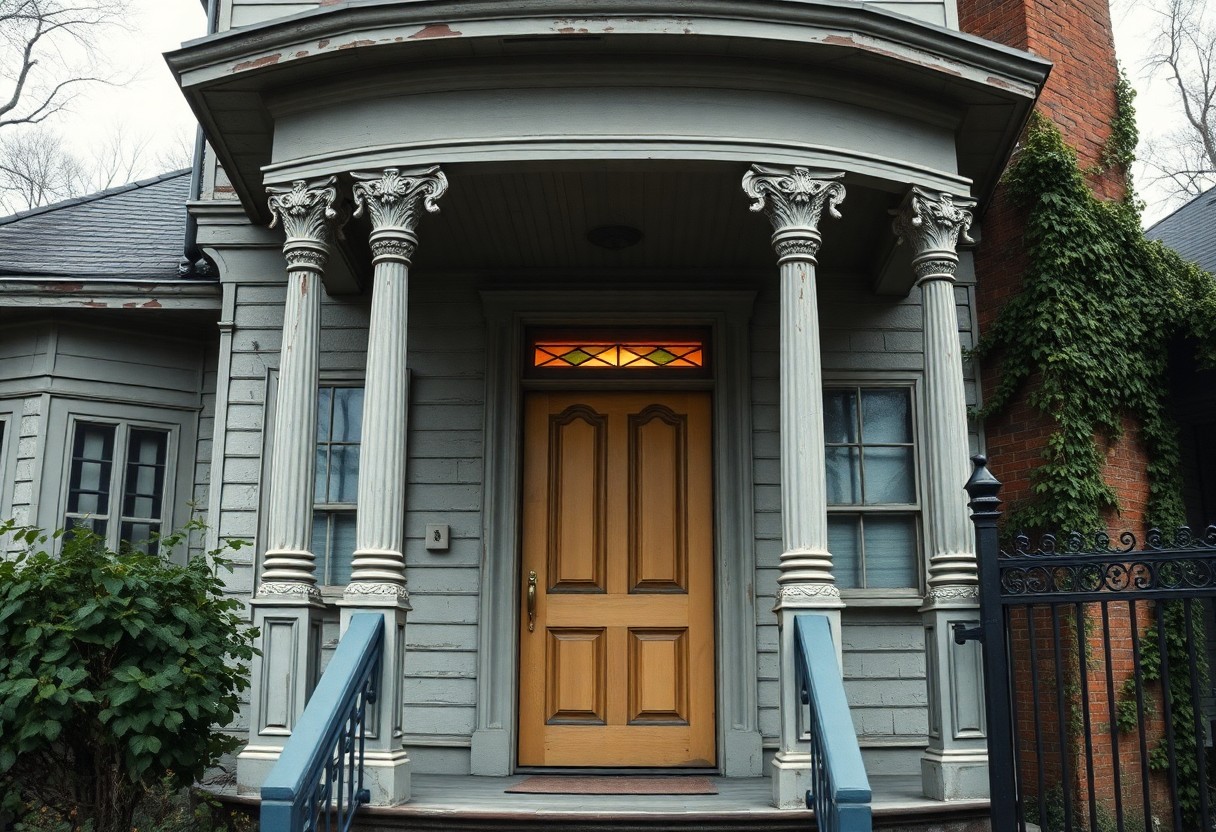
Victorian exteriors confront you with layers of decorative detail, where intricate millwork and bay windows create visual rhythm that rewards close inspection.
Style elements like spires and tracery in Gothic Revival also carry maintenance concerns such as lead paint and fragile masonry that you should assess before buying.
The Organic Simplicity of Craftsman Bungalows
Craftsman houses invite you in with honest materials and handcrafted joinery that emphasize warmth and utility over showy ornament.
Natural finishes age gracefully but demand attention to rot-prone wood and proper flashing around porches to preserve those exposed details.
Perceiving the balance of materials and proportions helps you appreciate how simple forms can feel timeless while requiring specific upkeep.
Pros and Cons of Preserving Historic Homes
Preservation asks you to balance the community value and charm these houses bring with the reality of ongoing expense and regulatory constraints that follow designation.
| Pros | Cons |
|---|---|
| You gain architectural character | You face high maintenance costs |
| You benefit from original materials | You must meet modern code upgrades |
| You attract buyer interest and prestige | You encounter specialist labor scarcity |
| You preserve historic craftsmanship | You incur restrictive preservation rules |
| You enjoy unique layouts | You deal with inefficient systems |
| You can access tax incentives or grants | You face lengthy permitting |
| You maintain community continuity | You manage hidden hazards |
| You benefit from dense, durable construction | You need costly retrofitting |
Benefits of Unmatched Aesthetic and Structural Density
Craftsmanship in older homes gives you layered details-moldings, hand-cut joinery, and heavy timbers-that contribute to lasting aesthetic and structural depth.
Materials like old-growth wood and hand-laid masonry offer you textures and durability rarely matched by modern builds.
Challenges of Retrofitting and Specialized Maintenance
Masonry and foundations often require you to hire specialists because improper repairs can trigger structural failure.
Electrical systems frequently force you to replace aging wiring to meet code, a process that can be invasive and expensive.
Plumbing, hidden pests, and hazardous materials such as lead paint or asbestos compel you to budget for safety-driven remediation and regular professional inspections.
Step-by-Step Strategy for Authentic Restoration
Follow a stepwise plan that begins with a careful inspection, detailed documentation, and immediate stabilization so you protect original fabric and prioritize repairs.
| Step | Action |
|---|---|
| Inspect | Record condition, photos, and paint layers; flag lead paint and structural rot. |
| Protect | Cover openings, shore weak areas, and shield original millwork during work. |
| Source | Match profiles and finishes with reclaimed materials and specialty mills. |
Identifying and Protecting Original Millwork
Assess moldings, joinery, and painted surfaces to identify original millwork, take samples for profile matching, and brace or remove any unstable elements while you label and store parts.
Sourcing Period-Correct Reclaimed Materials
Seek period-correct reclaimed materials from reputable salvage yards and dealers so your replacements truly match your home’s profiles and grain.
Verify provenance, inspect for pests, rot, and lead paint, and test-fit reclaimed pieces before you install them to avoid surprises.
Prioritize documentation of dates and provenance, and you should work with specialty mills to replicate missing details while valuing reclaimed hardware for its period-correct look and sustainability benefits.
Expert Tips for Balancing Modernity and History
- old houses
- character
- modern systems
- energy efficiency
- historic fabric
- layout
Within your renovation you should prioritize preserving original details while inserting upgrades that respect the historic fabric. You must watch for hazardous materials like lead paint and asbestos, and plan interventions that protect those elements and the home’s character.
Discreetly Integrating High-Efficiency Systems
You can install high-efficiency mini-splits, condensate pumps, or slim ducting hidden in attics and crawlspaces to cut energy use without altering visible surfaces. You should avoid invasive routing that disturbs old plaster or concealed hazards, and opt for reversible fixes that preserve moldings and trim.
Enhancing Layouts Without Altering Original Footprints
Small interventions like opening a sightline, using pocket doors, or converting underused closets let you improve flow while keeping original room arrangements intact. You will boost daily comfort and increased usability without removing walls or historic flooring.
Careful placement of built-ins, movable partitions, and strategic lighting can define modern zones within original rooms. Recognizing trade-offs helps you protect both the home’s value and its enduring character.
Summing up
Drawing together the craftsmanship, layered repairs, and lived-in stories, you appreciate why old houses feel rich with character. You notice original mouldings, hand-forged hardware, and construction choices that tell builders’ priorities and eras. You understand that patina, slight imperfections, and adaptation over generations create a textured personality few new homes match. You can preserve and highlight these features to maintain authenticity while making the house work for modern life.