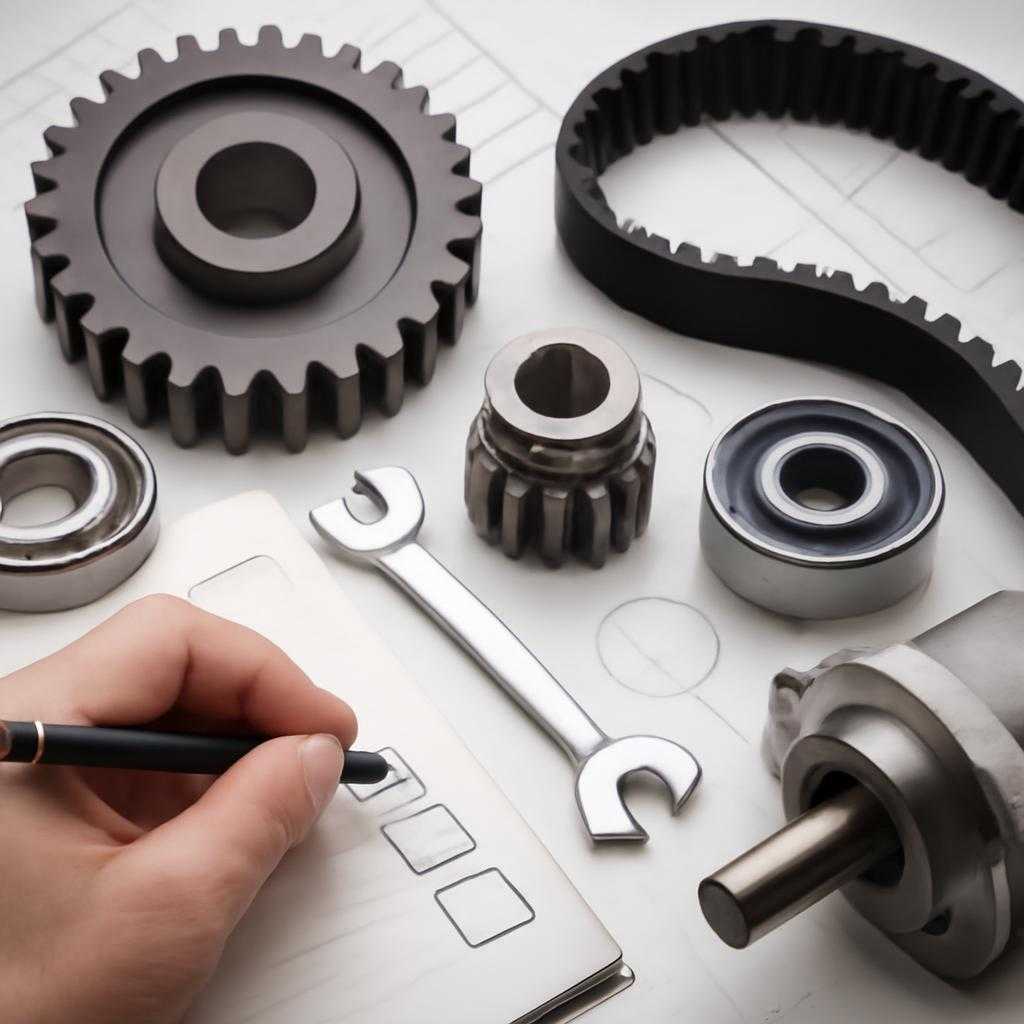
I’ve overseen numerous drive upgrades over the years, and I can say from experience that choosing the right component pays off in reliability and lower running costs — when you evaluate solutions, check the manufacturer’s datasheets for the elektro motor and confirm service availability before you commit.
Practical pointers for a robust selection
If you’re planning an installation, you should pay attention to a few concrete items — you’ll save headaches later by thinking them through now:
– Duty cycle and start/stop frequency, because these determine thermal sizing;
– Environmental protection (IP rating) so the unit survives dust and moisture;
– Spare parts availability and local service to minimize downtime.
Be optimistic: with the right choices you’ll often recover the investment through energy savings. At the same time, be wary of picking purely on price — a cheaper unit may cost more over its lifetime.
He (or the operations manager) usually recommends a staged approach: first pilot the equipment, then analyze measured performance, and finally proceed to full rollout. Here’s a simple checklist often used by maintenance teams:
1. Define performance requirements and measure real loads.
2. Conduct a controlled trial run and record temperatures and currents.
3. Formalize a preventive maintenance plan and train operators.
For product specs, model comparisons, and supplier support, you can also view the wider range of electric motors and contact options on the manufacturer’s site. When decisions are data-driven and supported by vendor documentation, the result is a dependable system with lower operational risk — for more details and assistance, visit https://vyboelectric.com/.