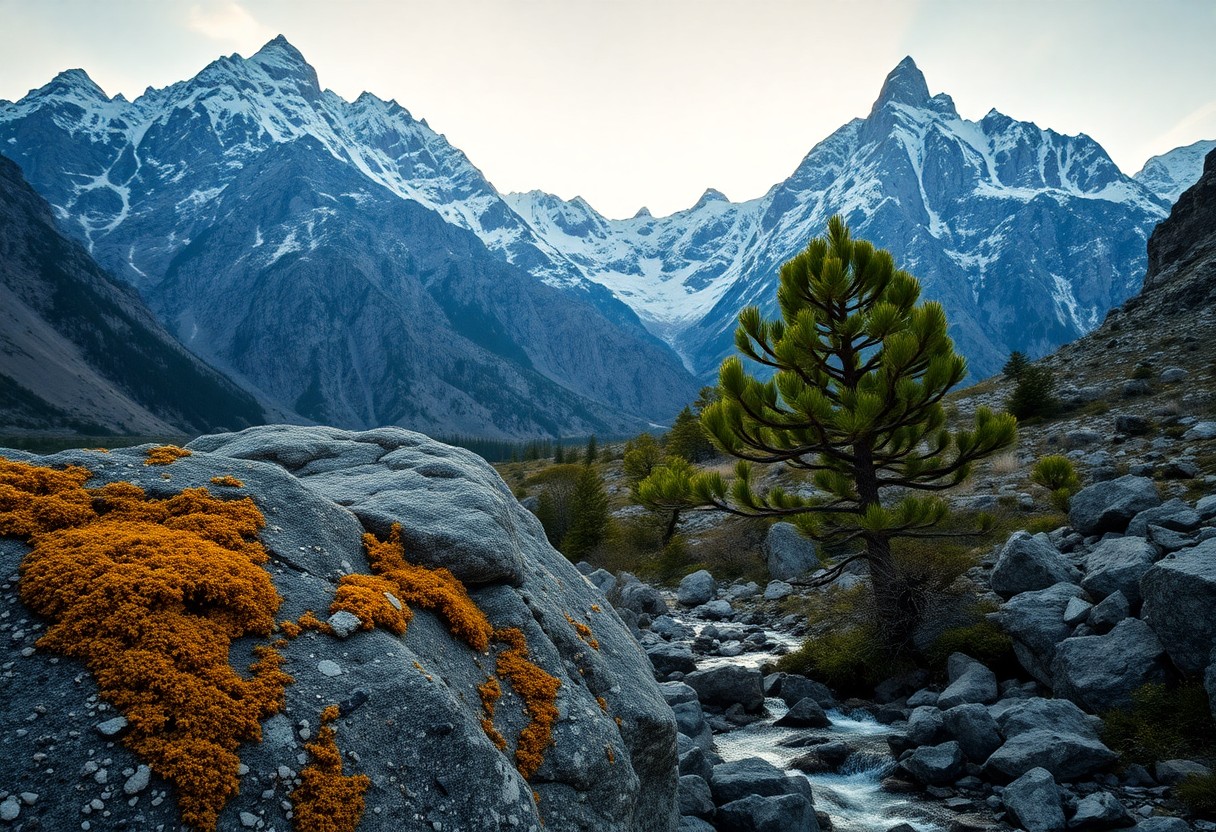
Just approach mountains and you learn to read weather, prioritize respect, avoid avalanches, plan routes, and gain solitude and strength.
Types of Mountain Formations and Landscapes
You encounter mountains formed by fold, fault-block, volcanic, and erosional processes, each presenting distinct rock types and hazards. Observe steep slopes, avoid avalanches, and value their biodiversity and water sources.
Fold ranges show long anticlines and synclines; block mountains present sharp escarpments, and you can use field signs to assess rock orientation.
- Fold – layered strata, long ridges
- Fault-block – steep escarpments, tilted blocks
- Volcanic – cones, lava flows
- Erosional – isolated peaks, carved valleys
| Fold | Layered strata, ridge-and-valley form; watch for rockfall |
| Fault-block | Tilted blocks and escarpments; unstable slopes common |
| Volcanic | Cones, calderas, lava layers; monitor magma signs |
| Erosional | Hollows and isolated peaks from long-term wear; fragile soils |
| Glacial | U-shaped valleys, cirques, moraines; ice hazards persist |
Identifying Alpine and Sub-Alpine Zones
Alpine areas show sparse tundra, persistent snow patches, and very short growing seasons, while sub-alpine zones host stunted forests and shrub belts; you identify them by the tree line, stunted vegetation, and cooler microclimates.
Volcanic and Tectonic Structural Differences
Volcanic formations accumulate from eruptions into cones, flows, and ash layers, whereas tectonic ranges rise by plate collision and fault uplift; you examine rock type, layering, and active faults to distinguish them.
After you compare heat signatures and seismic records, you prioritize routes away from zones with high seismic risk and unstable slopes.
Critical Factors Influencing Mountain Health
Mountains host microclimates and water sources that you rely on, so assessing mountain health requires tracking interconnected drivers like climate variability, biodiversity, and hydrology.
- Climate variability
- Biodiversity
- Hydrology
- Human activity
- Erosion
You monitor vegetation cover and glacial extent because losses raise flood and landslide risk and accelerate sediment delivery to valleys. This directs where you allocate monitoring and restoration efforts.
Elevation and Atmospheric Pressure Variations
Elevation alters atmospheric pressure and lowers oxygen, forcing you to expect steep temperature gradients that constrain species ranges and shift snowpack and runoff timing you must manage.
Geological Stability and Erosion Patterns
Geology sets slope angle, fault activity, and substrate cohesion, so you assess how weak layers and seismicity increase landslide probability and downstream sediment load.
Erosion intensifies when vegetation is removed or glacial melt accelerates, producing rapid slope failures that threaten infrastructure and water quality, while targeted revegetation and engineering lessen those hazards.
Rock composition and fracture networks inform where you locate monitoring sensors and stabilization works, and you use sediment budgets and slope stability models to prioritize interventions that reduce long-term risk.
Pros and Cons of High-Altitude Interaction
You must weigh trade-offs at altitude; the table below outlines how improved endurance, solitude, and clearer skies contrast with acute mountain sickness, sudden storms, and rescue challenges.
| Pros | Cons |
|---|---|
| Improved aerobic capacity | Acute mountain sickness (AMS) |
| Mental clarity and focus | Hypoxia and severe fatigue |
| Seclusion reduces distractions | Isolation complicates rescue |
| Unobstructed, awe-inspiring views | Rapid weather shifts (whiteouts/storms) |
| Skills development through challenge | Technical terrain: rock, ice, exposure |
| Cleaner air and lower pollution | Limited resupply and shelter |
| Seasonal biodiversity and solitude encounters | Cold exposure and frostbite risk |
| Cultural contact with mountain communities | Avalanche and crevasse danger |
Advantages of Seclusion and Physical Challenge
Solitude offers you focused practice and measurable gains: physical challenge builds stamina and confidence, while fewer distractions sharpen judgment and deepen appreciation for crucial skills.
Risks of Unpredictable Weather and Isolation
Weather changes can leave you exposed to whiteouts, freezing temperatures, and sudden storms, forcing route abandonment and sharply increasing the chance of injury or being stranded.
Avalanche and crevasse hazards demand that you carry rescue gear, rehearse techniques, and check local reports, since one misjudgment can become life-threatening.
Exposure and isolation mean that if you are injured or lost, response time may be hours or days, so thorough planning and self-rescue competence determine whether you get out safely.
Step-by-Step Guide to Mountain Preparation
You should phase training, route research, and logistics so each element builds on the last: endurance, technical drills, permit checks, and emergency planning. Pack life-saving items and set clear turn-around criteria before you leave base camp.
Check skills in terrain that mimics your objective, rehearse team signals, and confirm weather and avalanche forecasts. Carry redundant communication like a satellite messenger and leave a detailed trip plan with someone trusted.
Step-by-Step Checklist
| Task | Why/Tip |
|---|---|
| Conditioning | Build aerobic base and leg strength; practice loaded marches. |
| Acclimatization | Schedule staged ascents and rest days to lower altitude illness risk. |
| Gear | Pack layers, shelter, stove, and avalanche kit if needed. |
| Route | Recon route, mark escape options, and note objective hazards. |
| Permits & Info | Obtain permits, check restrictions, and monitor forecasts. |
Physiological Acclimatization Protocols
Schedule gradual altitude exposure by sleeping lower than your highest daily climb and limiting ascent to about 300-500 m per day above 2,500 m; this reduces the likelihood of severe symptoms and preserves performance. You should plan extra rest days.
Monitor oxygen saturation, sleep quality, and cognitive clarity; persistent headache, nausea, or confusion demand immediate descent to mitigate hypoxia. Use medication only after consulting a medical professional.
Strategic Gear Selection and Route Planning
Select equipment that balances weight and redundancy: reliable shelter, layered insulation, tested stove, and a compact rescue kit. You must test all items in conditions similar to the objective to confirm function.
Balance pack weight by prioritizing life-saving items-spare insulation, emergency shelter, and extra fuel-while choosing a route that minimizes exposure to objective hazards and has clear escape options.
Carry multiple route-finding backups-map, compass, and GPS-and practice their use; agree on waypoints and enforce strict turn-around criteria so the team makes conservative, safety-first decisions.
The Quiet Power of Mountains
- Sustainable exploration
- Leave No Trace
- Fragile flora and fauna
- Trail ethics
You should pack out all trash, favor refillable water systems, and camp on durable surfaces to avoid creating new routes that cause erosion and wildlife disturbance.
Plan trips with permits and seasonal closures in mind, carry maps and proper gear, and honor local regulations to limit habitat damage. Recognizing that small, consistent choices-obeying seasonal closures and minimizing fires-keeps mountains resilient for everyone.
Adhering to Leave No Trace Principles
Practice Leave No Trace by disposing of human waste properly, minimizing campfire use, and avoiding single-use items; these actions reduce waste buildup and lower fire risk, protecting trails and water sources.
Respecting Fragile Flora and Fauna
Observe wildlife from a safe distance and keep noise low so you do not cause stress; you should keep pets controlled and avoid feeding animals that can alter natural behaviors.
Avoid trampling alpine plants by stepping on rock or hardened ground, use established campsites only, and report illegal trails to land managers to prevent long-term habitat loss.
The Restorative Power of Mountain Silence
Silence in the high places strips away constant stimuli so you notice your breath and heartbeat; this lowered sensory input lets stress markers fall and grants clearer thought when you return to busy life.
Breathing becomes deeper and steadier as you settle into quiet, helping sleep quality and physical recovery; regular exposure can make rest feel more restorative and increase your capacity for focused work.
Neurological Benefits of Natural Environments
Exposure to mountain settings shifts activity away from repetitive, anxious thought patterns so you experience reduced rumination and calmer mental states that persist after the trip.
Networks that handle attention and emotion recalibrate when you spend time outdoors, meaning you show improved concentration and lower physiological anxiety responses during demanding tasks.
Cultivating Resilience through Endurance
Endurance on trails teaches you to tolerate discomfort and manage energy, which strengthens decision-making under fatigue and builds practical psychological resilience.
Challenges on steep or exposed routes also carry real hazards, so you must balance pushing limits with caution to avoid falls and hypothermia.
Practice gradual progression in distance, load, and conditions, schedule deliberate rest, and refine skills so you adapt safely; tracking recovery helps minimize overuse injuries while increasing your confidence.
Conclusion
Considering all points, you understand how mountains regulate climate, sustain rivers, and anchor human cultures through enduring geological forces. You hold responsibility to study and protect these systems, applying informed conservation and policy that preserve biodiversity and water security for generations.