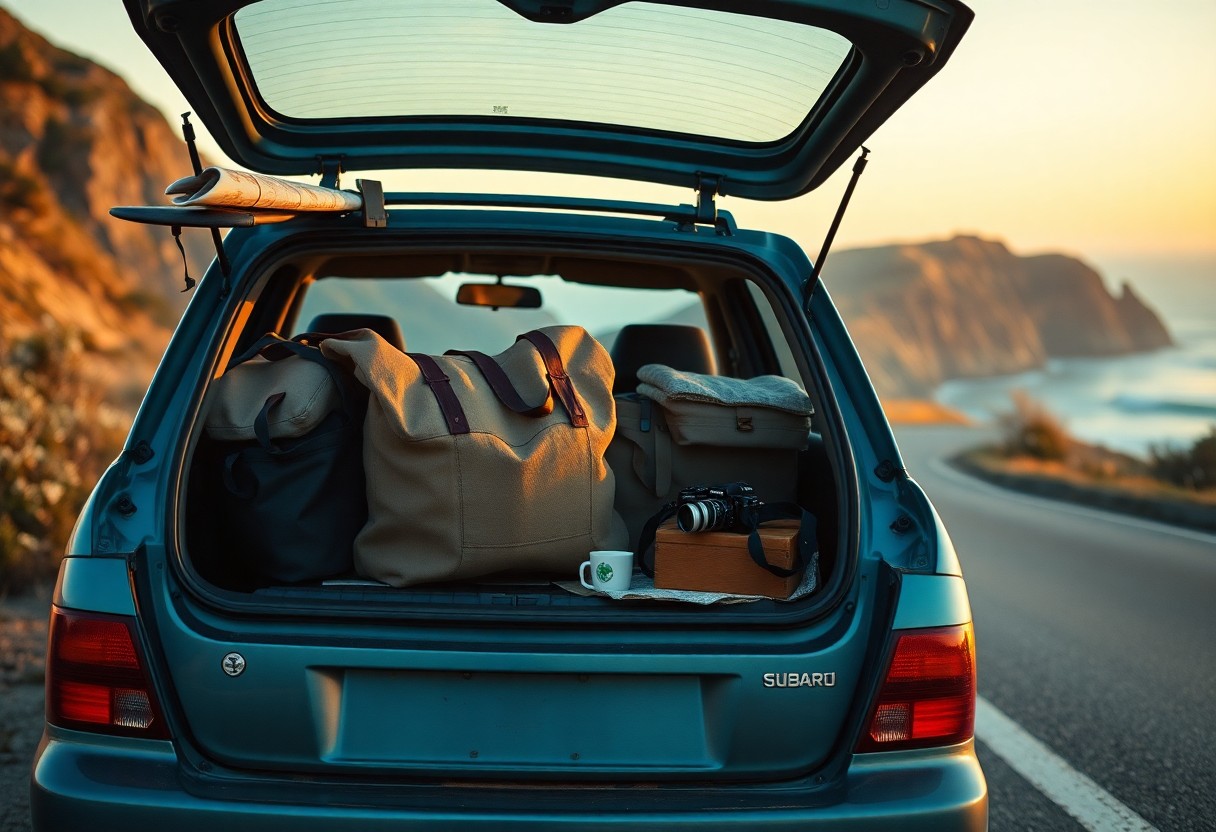
Just pack light, pick a nearby spot, and go; you follow quick planning steps that put safety first, ask you to check weather and fuel, and reward you with spontaneous freedom and memorable weekends.
The Joy of Spontaneous Weekend Trips
Mixing quick choices with minimal planning lets you enjoy spontaneous weekend trips-from open-road adventures to urban exploration and quiet nature escapes. You check fuel, route, and weather to avoid traffic or remote hazards while savoring the freedom of unexpected discovery.
- Open-road adventure
- Urban exploration
- Nature escapes
- Coastal retreats
- Micro-cation
| Open-road | Scenic routes and diners |
| Urban | Food, museums, nightlife |
| Nature | Hikes and quiet campsites |
| Coastal | Beaches and coastal walks |
| Micro-cation | Themed short getaways |
Explore how each option fits your mood: choose solitude for nature escapes or culture for urban exploration, and pack light so you can move fast and adapt.
The classic open-road adventure
Hit the highway when you want unstructured time: you plan flexible stops, iconic viewpoints, and local diners. You carry a basic toolkit, check tires and fuel to reduce mechanical dangers, and relish the expansive freedom that comes with wide-open routes.
Urban exploration and last-minute city breaks
Walk into a city with a light bag and a short priorities list: landmarks, markets, and one good evening plan. You use apps for late deals, stay central to reduce safety risks, and savor the vibrant culture that unfolds when you stay curious.
The quickest wins come from scouting events, trying street food, and asking locals for tips; you should watch for pickpocketing as a danger while enjoying the energy of spontaneous city moments.
Essential Factors for a Successful Departure
You keep spontaneity alive by prioritizing a short checklist: reachable routes, quick reservations, and a lightweight packing list so departures stay fast. Spotting potential road delays or transport hiccups before you go preserves more of your weekend for enjoyment.
Pack for adaptability with layers, a basic first-aid kit, and charging crucials so you can handle sudden weather or schedule shifts; a brief scan of bookings and tickets secures a flexible schedule.
- Proximity
- Travel time
- Weather
- Local events
- Packing
Evaluating destination proximity and travel time
Distance determines how much of the weekend you enjoy; you should aim for journeys under four hours for a proper break, or select short drives that reduce transit stress. Monitor typical traffic patterns and evening arrival risks so you avoid fatigue and unsafe conditions.
Assessing seasonal weather and local events
Check forecasts and event calendars ahead so you can sidestep severe storms or peak crowds that would derail plans; you should expect altered hours or access restrictions during big local festivals. Scanning local advisories helps you choose the best departure window.
Plan for quick adjustments by packing waterproof layers, alternate routes, and a list of nearby services so you can respond to weather or event disruptions without losing momentum; keep flexible bookings when possible to limit costs.
Perceiving microclimate quirks and using local event feeds will help you time departures around timely updates and avoid last-minute cancellations.
Weighing the Pros and Cons of Unplanned Travel
Pros and Cons
| Pros | Cons |
|---|---|
| Spontaneous freedom to choose | Higher last-minute prices |
| Less planning stress and more relaxation | Limited availability for popular options |
| Serendipitous discoveries and memorable moments | Uncertain schedules and possible delays |
| Easy to fit short trips into your calendar | Packing mistakes or forgotten items |
| Opportunities to say yes to unique events | Harder coordination with friends or family |
| Often boosts your mood and adaptability | Potential safety concerns when unprepared |
The freedom of total flexibility and reduced stress
Comfort comes from choosing on a whim; you shed rigid plans and enjoy total flexibility, which often lowers stress and lets you focus on the moment.
Spontaneity encourages you to try local finds and reorder priorities, so you return home with fresh energy and stories rather than a checklist.
Potential logistical challenges and higher costs
Booking at the last minute can push you into higher costs and fewer lodging or transport choices, so you should budget extra when you opt for impromptu trips.
Sometimes tight connections and sudden closures create logistical headaches, requiring quick decisions and backup options to avoid wasted time.
Prepare by keeping travel apps, a modest emergency fund, and alternative routes handy; this lowers the chance of missed connections or costly reroutes and keeps your spontaneous outing enjoyable.
The Joy of Spontaneous Weekend Trips
| Step-by-Step Guide to Rapid Trip Planning | |
|
Start by listing your available hours, budget ceiling, and must-see priorities, then scan apps for real-time availability and set alerts for flexible dates so you can strike while prices drop. |
Organize a quick shortlist of reachable spots, check transit times and local opening hours, and favor options with refundable bookings to avoid losing money if plans shift. |
Quick-fire destination selection and booking
Choose three nearby destinations, compare total door-to-door times, and prioritize places that let you maximize daylight; book the best combination of price and convenience, and lock in any last-minute deals that include cancellations.
Efficient packing strategies for 48-hour windows
Pack a compact capsule wardrobe in a single carry-on, select neutral pieces that mix well, and include a small toiletries kit and any prescription medication in your carry item to avoid loss or delays.
Include a slim first-aid kit, a portable charger, and printed confirmations; keep valuables and ID on your person and stash digital backups so you can handle small emergencies without derailing the trip.
Expert Tips for Maximizing Your Experience
You can boost spontaneity by prioritizing simple routines: quick packing, basic research, and an emergency plan. For spontaneous weekend trips you should check weather and road alerts, keep digital copies of documents, and carry a trusted payment method.
- Pack a compact first-aid kit
- Set alerts in mobile apps for deals
- Share your brief itinerary with one contact
Pack light while including layers, snacks, and a compact emergency kit so you can extend or cut a trip without stress; seek local recommendations and stay open to last-minute detours.
Utilizing mobile apps for real-time deals
Use focused mobile apps to spot real-time deals, set price alerts, and compare last-minute lodging. Always verify seller ratings and use secure payments; download offline maps and reservation confirmations before you head out.
Maintaining a “ready-to-go” travel kit
Keep a curated ready-to-go travel kit in your car or by the door: charger, power bank, multitool, compact first-aid, copies of ID, and a small cash reserve. Rotate consumables and check batteries after each trip.
Perceiving how much you truly need helps you stay agile; make choices that save time and protect health, like a compact first-aid kit and reliable backup power, and inspect medicines and batteries monthly to avoid surprises.
Navigating Local Logistics on the Fly
You can improvise transit with rideshares, bike rentals, or short public routes; keep offline maps and a power bank handy. Check schedules, watch for parking restrictions and one-way streets, and carry a photocopy of your ID so you stay flexible when plans shift.
Local customs and weather can alter plans quickly, so you should monitor forecasts and cell reception. Carry a small stash of cash, note local emergency numbers, and choose flexible bookings to avoid fees while you keep momentum without compromising safety.
Finding unconventional dining and lodging
Scouting side streets and markets helps you uncover food trucks and pop-up supper clubs that apps often miss. Ask shopkeepers for tips, check quick reviews, and watch hygiene scores so you enjoy flavors safely and confidently.
Consider last-minute booking platforms and walk-in friendly guesthouses to snag deals. Always verify host ID and recent reviews, confirm locks and smoke detectors, and meet hosts in public areas when possible so you can stretch your budget and deepen local connection.
Embracing the art of the detour
Allow unplanned detours to become part of the itinerary; your best memories often begin with a random turn. Keep time buffers, monitor fuel and daylight, and avoid remote routes after dark so unexpected sights reward curiosity without unnecessary risk.
Slow down and ask locals about scenic backroads or seasonal events, then pick detours that add just 15-30 minutes. Pack water, download offline maps, and carry a basic emergency kit to handle flats or sudden weather while you explore.
To wrap up
As a reminder, spontaneous weekend trips sharpen your sense of curiosity and give you quick resets you can fit into a busy schedule. You learn to pack light, choose destinations fast, and trust simple planning instincts that deliver rich experiences. Keep a short checklist, stay flexible, and accept minor setbacks as part of the adventure so you return refreshed and more confident about making time for discovery.