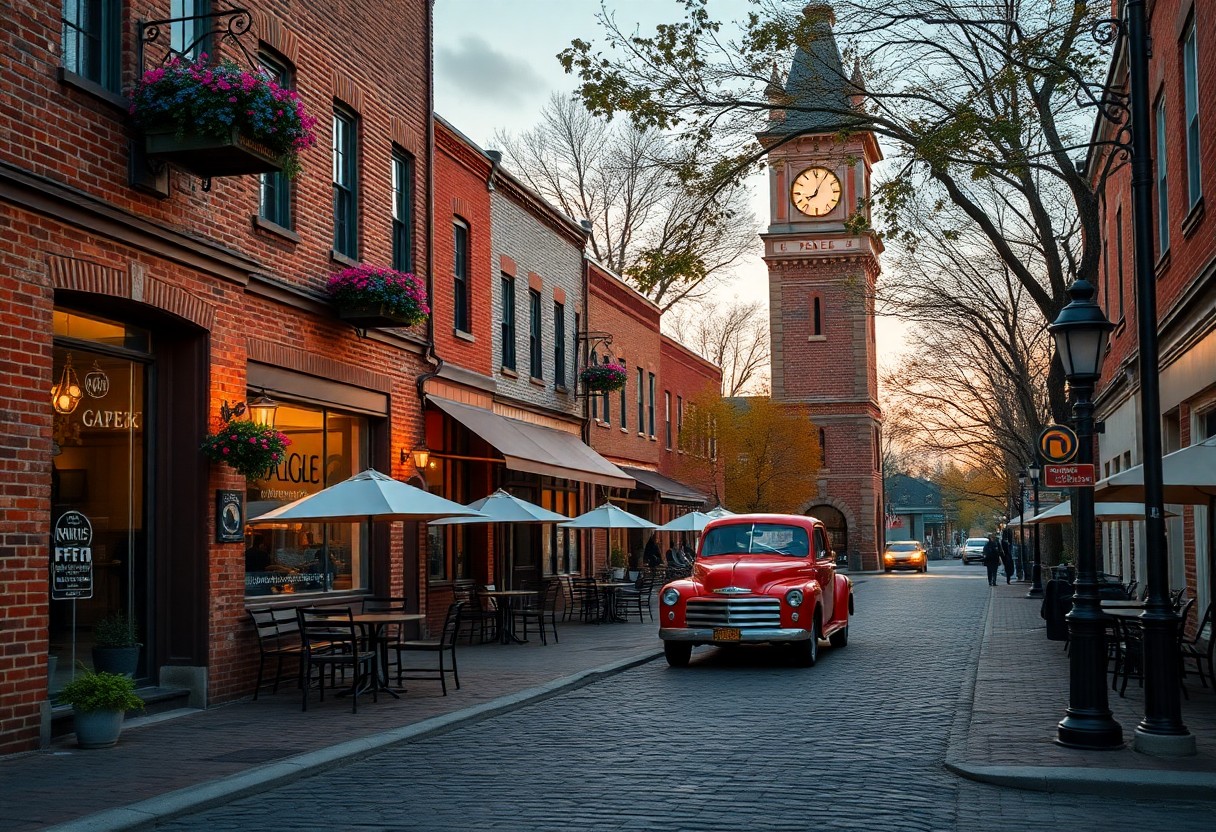
This concise guide arms you to explore small towns, helping you savor local hospitality, support independent businesses, and prepare for limited medical services or transport delays so you travel smart.
Primary Types of Small Town Destinations
| Historic Coastal | Fishing harbors, salt-scented streets, storm risk |
| Mountain Retreats | Alpine trails, panoramic ridgelines, altitude hazards |
| Rural Agricultural | Vineyards and farms, seasonal work, slow pace |
| Spa & Wellness | Hot springs and retreats, restorative services, relaxation |
| Artisan & Industrial | Workshops and local trades, hands-on tours, authentic craft |
- Historic Coastal
- Mountain Retreats
- Rural Agricultural
- Spa & Wellness
- Artisan & Industrial
Small town types influence how you plan: coastal villages demand flexible timing for tides and weather, while mountain hamlets change quickly with altitude and season, so you should pack and pace accordingly with an eye to safety and comfort.
Assume that you match the town’s tempo to your goals-seek quiet or activity, but budget for transit and seasonal closures.
Historic Coastal and Harbor Villages
Harbors welcome you with narrow lanes, seafood stalls, and maritime museums; you will enjoy harborfront charm but should also watch for storm warnings and tidal closures that alter schedules.
Mountain Retreats and Alpine Hamlets
Alpine towns offer high viewpoints and trail access that you can use for both gentle walks and serious climbs; plan for sudden weather shifts and respect altitude limits when you exert yourself.
Trailside services in these hamlets often run on limited hours, so you must time resupplies, lodging, and guided outings around local schedules to avoid being stranded.
Rural Agricultural and Wine Regions
Vineyard regions invite you to tastings, farm visits, and seasonal festivals where you can sample local produce and learn about harvest cycles; note that peak seasons bring crowds and limited accommodation.
Farmstead tours and winery visits require reservations in many small towns, so you should book ahead to secure hands-on experiences and avoid last-minute disappointment.

Critical Factors for Selecting Your Destination
- small town travel
- seasonal accessibility
- local infrastructure
- heritage preservation
Consider how seasonal shifts, distance, and available services shape your itinerary so you can balance authentic experiences with practical risks like limited medical care or road closures.
Seasonal Accessibility and Geographic Location
Check local advisories and transit timetables because weather-related closures and terrain can change access quickly, and you will want contingency plans for delays or detours.
Availability of Local Infrastructure and Lodging
Assess lodging and transport early since many towns offer few options; you will secure better rates and confirm necessarys such as reliable power, water, and basic medical access.
Inspect host reviews and contact owners directly so you can verify safety measures, parking, and any seasonal service reductions that might affect your stay.
Cultural Significance and Heritage Preservation
Value local customs and small museums to deepen your experience, and you will support heritage preservation while observing community etiquette.
Assume that engaging respectfully with artisans and tour operators helps maintain authentic cultural practices and prevents unintended harm to traditions.
Pros and Cons of Small Town Tourism
| Pros | Cons |
|---|---|
| Low crowds | Limited public transit |
| Personalized service | Fewer medical facilities |
| Local hospitality | Seasonal closures |
| Unique cultural experiences | Limited dining variety |
| Lower costs | Poor cell coverage |
| Walkable centers | Less nightlife |
| Easy parking | Fewer shops and amenities |
| Photogenic scenery | Longer travel times to services |
Benefits of Personalized Service and Slower Paces
You will notice staff and hosts often remember your preferences, offering tailored recommendations that make exploring easier and more rewarding. The personalized service gives you access to local knowledge and quicker fixes when plans change.
Smaller crowds and unhurried rhythms allow you to linger at a café, enjoy conversations, and absorb details most travelers miss. The slower pace reduces stress and lets you focus on meaningful moments rather than rushing from sight to sight.
Limitations Regarding Public Transit and Amenities
Public transit tends to run infrequently in many small towns, so you will often rely on private transport or scheduled shuttles. The limited public transit can add cost and complicate late arrivals or spontaneous detours.
Limited local services mean you should plan for fewer 24-hour options and restricted shop hours; you will need to carry basics when exploring farther afield. Poor cell coverage and sparse clinics can increase risk if an unexpected issue arises.
Longer distances between towns and seasonal road closures can leave you isolated without quick support, so you should pack imperatives, check weather forecasts, and note nearest emergency contacts-especially in remote areas where limited emergency services are a real concern.
Step-by-Step Guide to Planning Your Itinerary
Planning Checklist
| Focus | Quick Action |
|---|---|
| Researching Local History | Use archives, local museums, and interviews to find hidden landmarks |
| Booking Boutique Stays | Contact owners directly and confirm amenities and cancellation terms |
| Coordinating with Festivals | Match dates, reserve early, and check for road closures or crowd impact |
Researching Local History and Hidden Landmarks
Explore local libraries, historical societies, and old newspapers to uncover lesser-known sites; when you plan visits, verify public access and avoid trespassing on private property.
Booking Unique Boutique Accommodations
Choose small inns or guesthouses where owners offer local insight; you should confirm room specifics and any access limitations like stairs or narrow roads before booking.
Consider contacting hosts to ask about on-site safety features and neighborhood noise levels; getting a direct confirmation can prevent surprises and secure the best dates.
Coordinating Visits with Community Festivals
Plan your trip around festival calendars and reserve lodging early since events often create limited availability and high demand for parking.
Align your schedule to attend key events while staying mindful of local customs and vendor rules; supporting community fairs by following guidelines helps maintain a positive impact.
The Charm of Small Town Travel
Keep your focus on experiencing small town travel by slowing down, walking main streets, and asking locals about favorite spots.
- Talk with residents to find offbeat cafes and routes (small town travel).
- Sample regional dishes to deepen your authentic experience.
- Choose stalls and studios that support small businesses and artisans.
Choose accommodations run by locals so you get an authentic experience and time visits around community events that matter to residents.
Engaging Respectfully with Local Residents
Ask permission before photographing people so you respect boundaries, use local greetings when you can, and avoid prying into sensitive topics that can be offensive.
Supporting Small Businesses and Artisans
Buy directly from makers so you ensure payments reach creators, inquire about sourcing, and favor items that reflect local skills for a positive impact.
Visit markets early to find unique pieces, ask about the maker’s story to show sincere interest, and choose workshops that treat artisans fairly.
Preparing for Limited Digital Connectivity
Carry offline maps, printed reservations, and a charged power bank so you stay informed when digital connectivity is limited.
Plan for slower responses and enjoy offline moments; Assume that cell service may be intermittent and you will rely on local guidance.
Summing up
So when you choose small town travel you gain access to quieter streets, personal service from local businesses, and authentic cultural moments that larger cities often miss. You can walk more, meet residents who share history and tips, and enjoy slower days that recharge your curiosity and observation. Use simple planning, be respectful of local routines, and you will return with richer stories and a deeper sense of place.