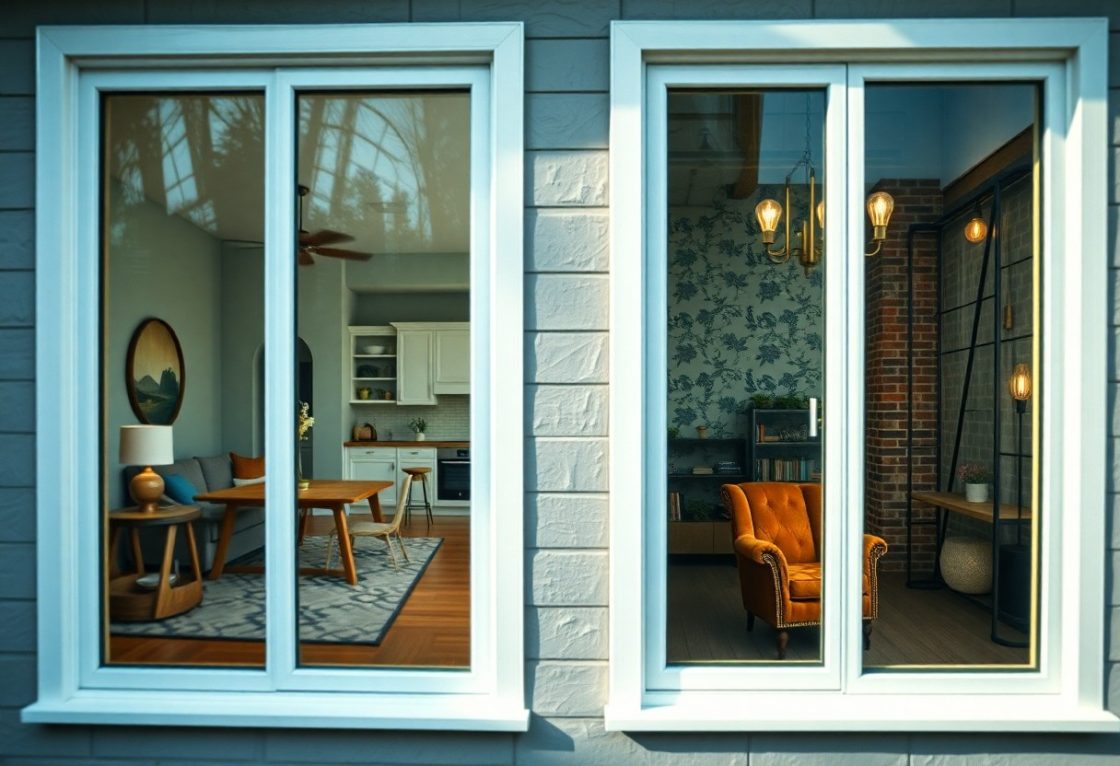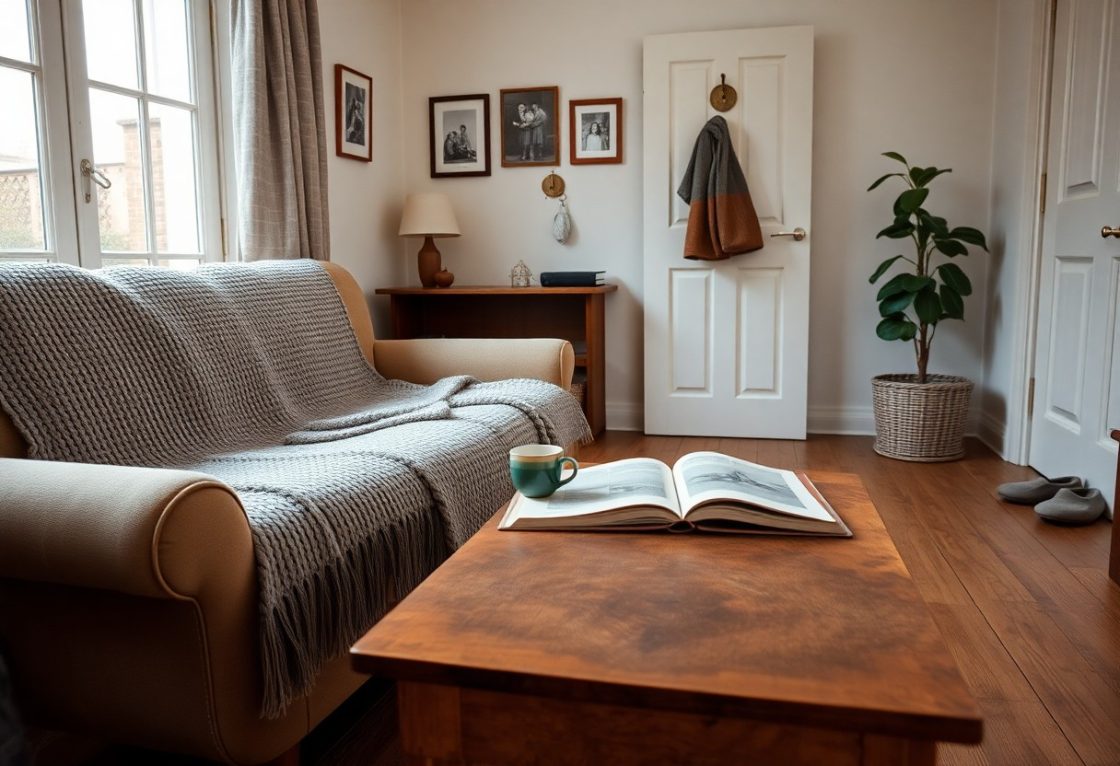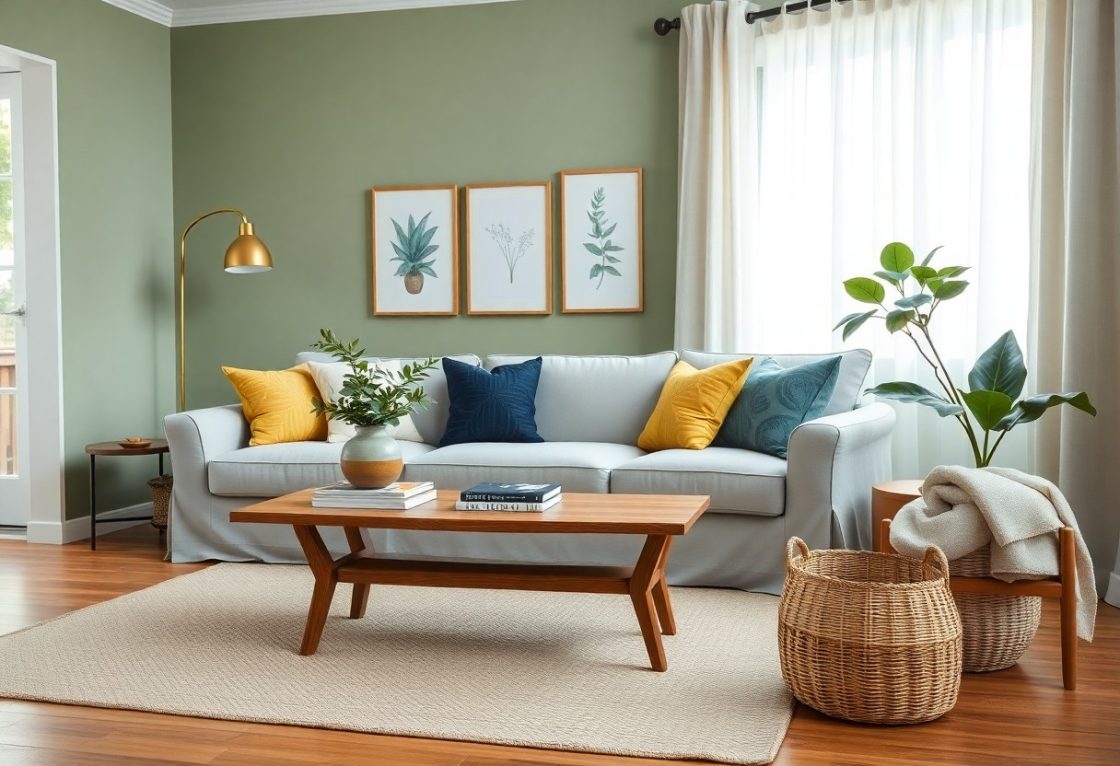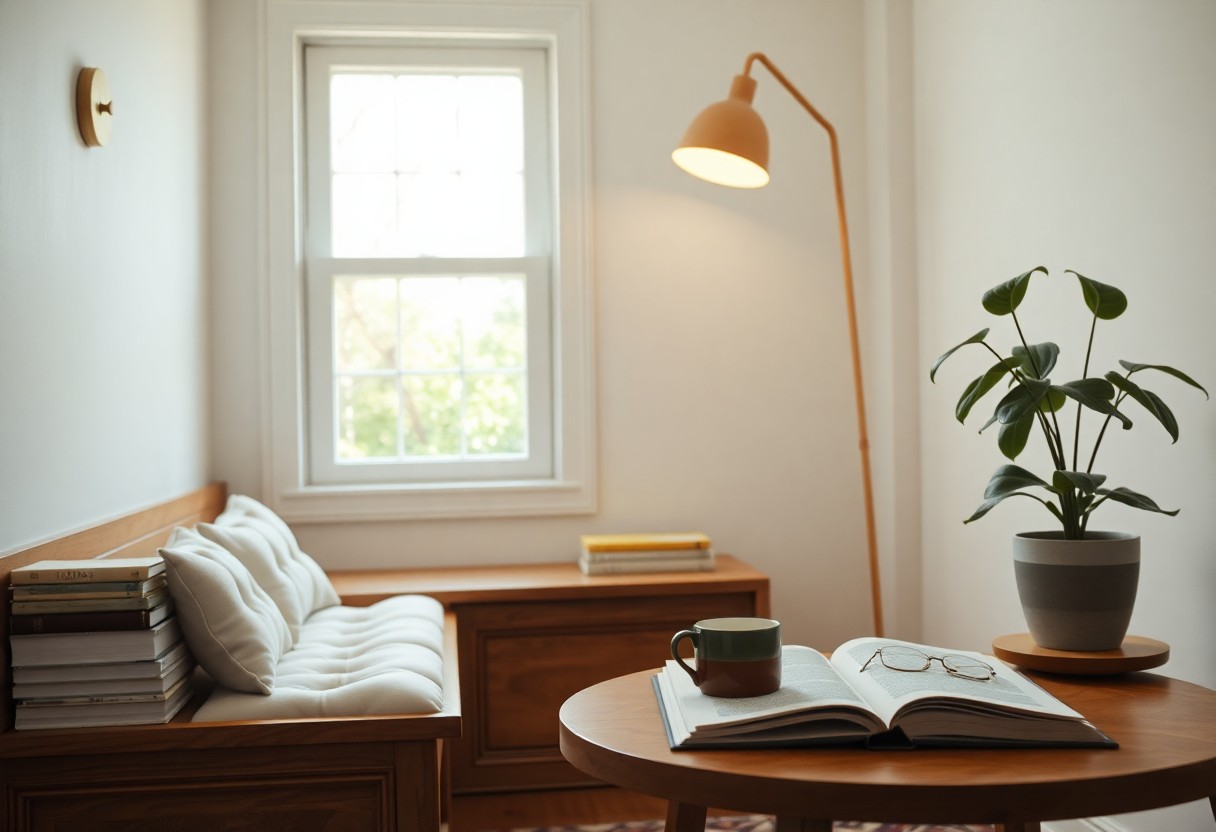
You can build a cozy, focused corner with a cushioned seat, layered lighting, and storage; prioritize proper lighting to avoid eye strain, choose supportive seating for long sessions, and add soft textiles to create an inviting retreat.
Exploring Primary Reading Nook Types
Explore how window seats, alcoves, corner retreats, and lofts differ in light, privacy, and storage; use the quick list below to decide which fits your routine.
- Window seat – compact comfort and daylight.
- Alcove – tucked privacy with shelving.
- Corner retreat – flexible furniture placement.
- Loft – elevated escape with views.
Choose based on available square footage, natural light, and traffic flow while watching for glare on pages and overheating near heaters.
| Built-in Window Seats | Daylight, storage, fixed footprint |
| Alcoves | Cozy enclosure, built shelving |
| Corner Retreats | Movable, works in tight rooms |
| Loft Retreats | Elevated privacy, view advantage |
| Quick Tip | Prioritize lighting and safe clearance |
Built-in Window Seats and Alcoves
Sitting in a window seat gives you steady natural light and handy under-seat storage, so you can stash blankets and books within arm’s reach.
Consider depth and cushion thickness for comfort, and ensure window hardware is secure to avoid safety risks for children or pets.
Freestanding Corner and Loft Retreats
Corner arrangements let you place a chair, lamp, and shelf to craft a flexible nook that moves with your needs without permanent changes to walls.
Loft options raise you above distractions and create a private vantage, but check for safe railings and stable access to prevent tipping or falls.
Perceiving how light, scale, and circulation work in your room will help you anchor a corner retreat with the right chair, adequate lighting, and secure shelving to avoid clutter or safety hazards.
Critical Factors for Design Success
You must balance scale and function to achieve a reading nook that invites lingering: prioritize lighting, ergonomic seating, durable materials, and circulation while avoiding glare or tight layouts that cause eye strain.
- Lighting
- Seating
- Materials
- Layout
Optimizing Natural and Artificial Lighting
Position your seating near windows to capture natural light and add layered fixtures-ambient, task and accent-to maintain an even, cozy glow; include dimmers and directional lamps to eliminate glare for comfortable long reads.
Prioritizing Ergonomic Seating Solutions
Select chairs with adjustable lumbar support, appropriate seat depth and a stable base so you maintain healthy posture; choose dense cushions and breathable fabrics for sustained comfort while avoiding too-soft seats that promote slouching.
Consider adding a footstool, adjustable reading lamp, and a slightly reclined back angle to reduce neck strain while rotating between positions for circulation. This keeps you comfortable for hours and protects your posture.

Step-by-Step Guide to Implementation
Begin by outlining small, achievable steps so you can set up the nook in stages that fit your time and budget; focus first on comfort and light.
Plan materials and measurements before shopping to avoid returns and clutter; you will save time by measuring space and noting storage needs.
Implementation Checklist
| Step | Action |
|---|---|
| Selecting Environment | Pick a corner with ample natural light and avoid damp spots that encourage mold. |
| Layout & Storage | Arrange seating, layered lighting, and accessible storage for books and supplies. |
| Final Touches | Add textiles, a side table, and a lamp with adjustable brightness for comfort. |
Selecting the Ideal Environment
Light should fall softly where you sit; you should position seating to benefit from natural daylight while avoiding glare that strains your eyes.
Noise levels matter; you should choose a quiet corner or introduce gentle background sound, and steer clear of damp areas that can damage books.
Curating the Layout and Storage Solutions
Seating choice determines how long you stay; you should pick an ergonomic chair or deep armchair with good support and a footrest for extended comfort.
Shelving works best when within arm’s reach so you can grab books without breaking your flow; use baskets and labeled bins for quick access and to keep the floor clear.
Lighting layers combine overhead, task, and ambient sources so you can set soft warm light for relaxation and brighter task light for focused reading; choose adjustable lamps and high-CRI bulbs.
Professional Tips for Lasting Comfort
Create a reading nook that supports your posture with adjustable lighting and an ergonomic chair, and pick long-wearing fabrics and washable covers so you keep the space inviting.
- Ergonomics: proper seat height and lumbar support
- Lighting: layered sources and glare control
- Durability: washable, stain-resistant textiles
- Safety: avoid overloaded cords and open flames
Any time you rotate cushions, launder covers, and swap bulbs you extend the comfort and life of the nook.
Layering Textiles and Soft Furnishings
Mix soft throws, a firm cushion for support, and a low-pile rug to control acoustics while adding tactile interest; make sure you choose washable layers so you can refresh the space often and maintain comfort.
Personalizing with Decorative Accents
Choose accents like a small reading lamp, a stack of favorite books, and a framed print to anchor the nook while keeping the arrangement uncluttered so you can focus.
Arrange objects so a single focal piece draws the eye, rotate seasonal pieces for freshness, and include a meaningful item that reliably sparks joy for you when you enter the nook.
Pros and Cons of Dedicated Spaces
| Pros | Cons |
|---|---|
| Focused refuge from household noise | Consumes valuable floor area |
| Personalized comfort and lighting | Requires regular cleaning and upkeep |
| Encourages longer reading sessions | Can feel isolating at times |
| Improves mood and ritual around reading | Initial cost for furniture and decor |
| Supports better posture with proper seating | Limits multiuse flexibility of the room |
| Becomes a visual focal point for your home | Prone to clutter buildup without discipline |
You will gain a clear focus advantage and a repeatable routine by claiming a nook, but expect a tangible space trade-off that affects household layout and storage.
Benefits of Enhanced Focus and Relaxation
Designing your nook around comfortable seating and adjustable light lets you sink into deep focus, reduces interruptions, and turns reading into a reliable way to unwind.
Potential Maintenance and Spatial Trade-offs
Expect ongoing tasks like dusting, linen washing, and rearranging to keep the area inviting; neglect can quickly turn the nook into a cluttered, neglected corner.
Routine attention to ventilation, spill prevention, and storage solutions will limit hazards like damp or tripping risks and preserve the nook’s appeal as a safe, pleasant retreat.
Final Words
With these considerations you can create a reading nook you never want to leave. Choose comfortable seating, layered lighting, easy access to books, calming colors, and personal accents to sustain focus and relaxation. Attend to ergonomics and ventilation, rotate textiles seasonally, and edit decor to prevent clutter. Consistent small adjustments will keep the space welcoming and aligned with your reading habits.