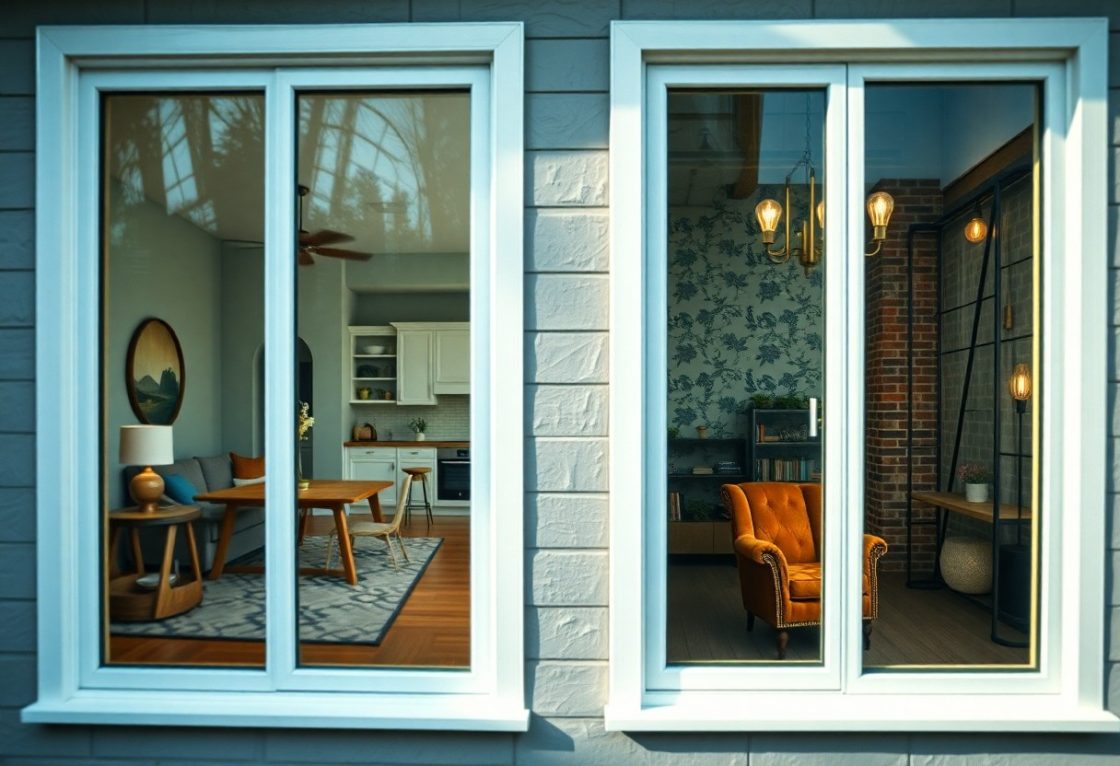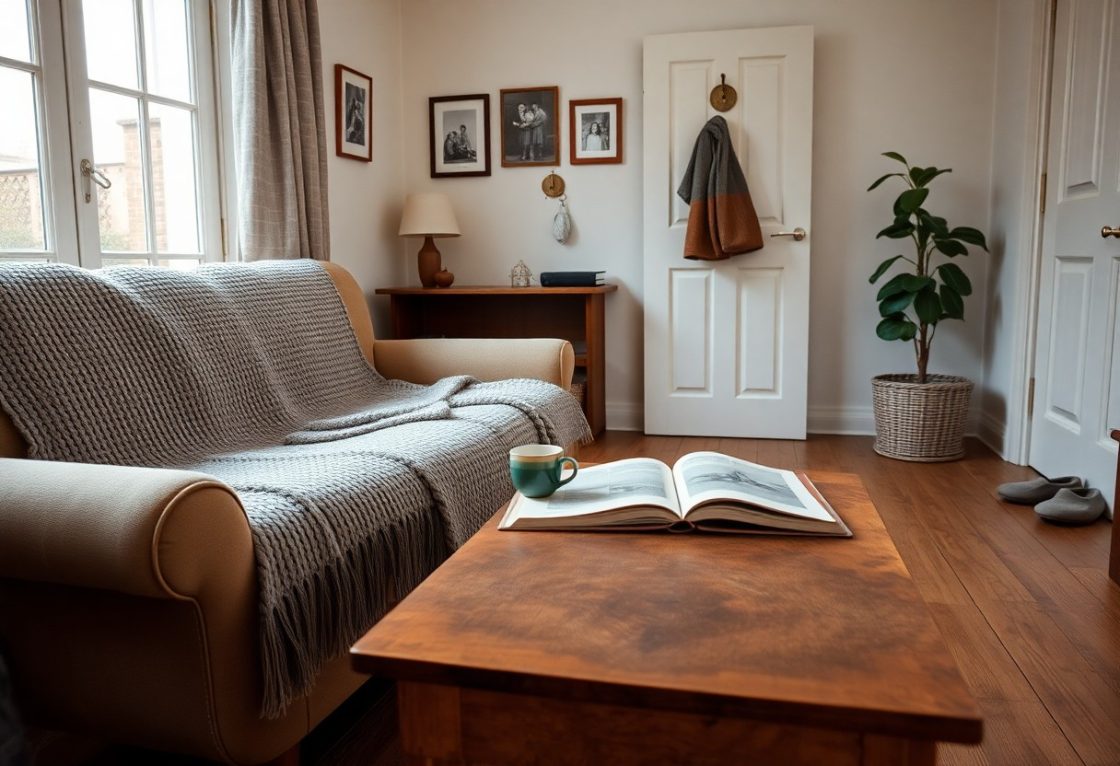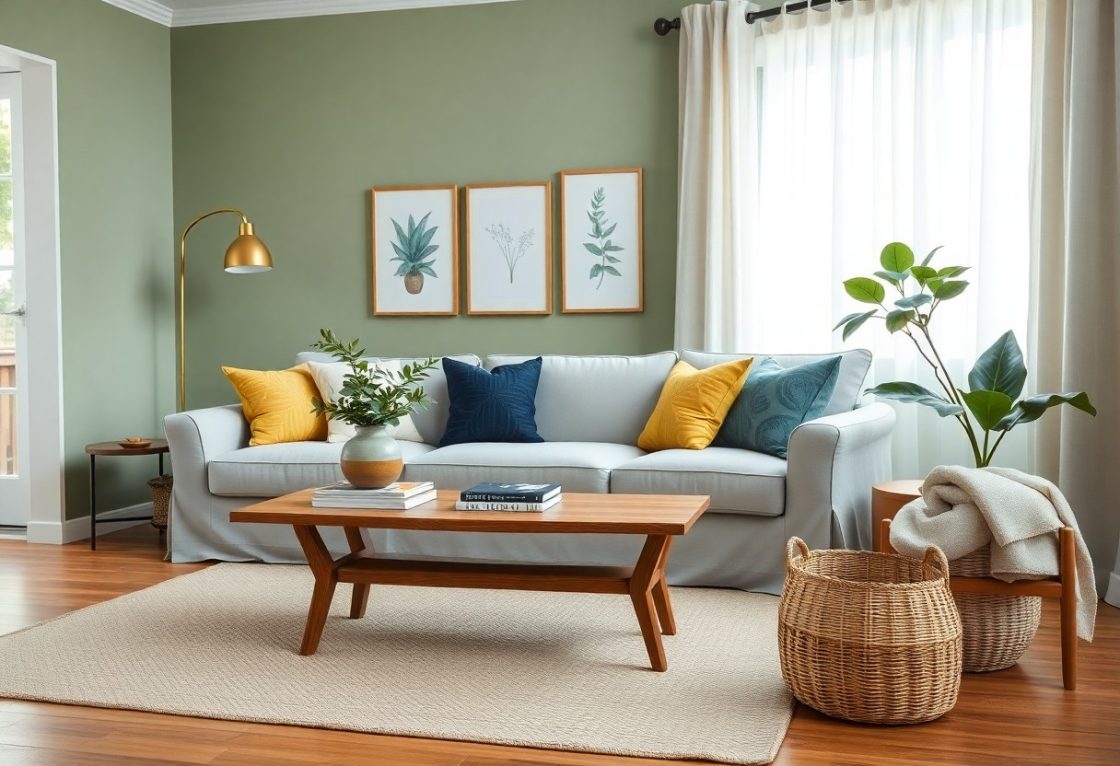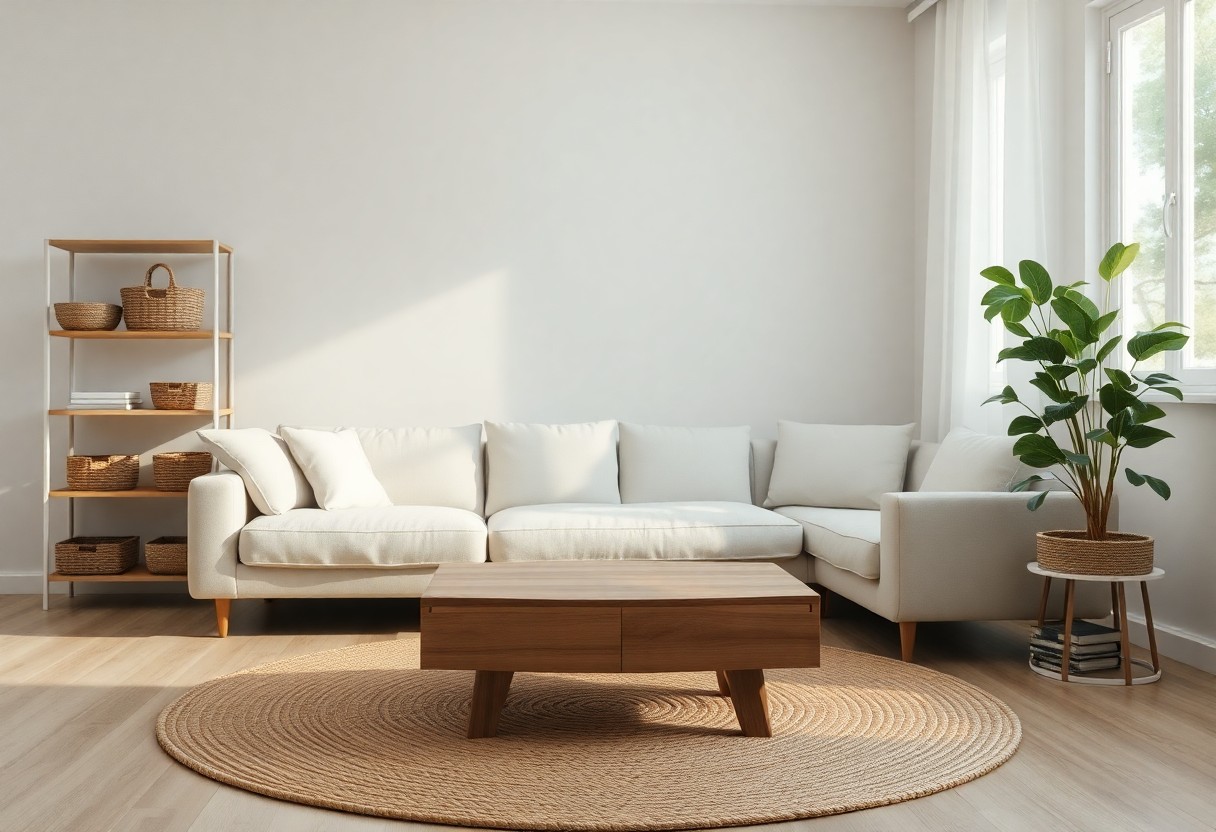
You can restore calm by removing clutter, avoiding toxic cleaners, choosing soft colors, welcoming natural light, and adding air-purifying plants to create a balanced, serene space.
Key Factors Influencing Domestic Equilibrium
You shape domestic equilibrium through intentional choices: controlled clutter, balanced lighting, coherent color schemes, and thoughtful furniture placement that supports movement and rest.
- Color palettes
- Natural light
- Spatial flow
- Negative space
- Decluttering
Assume that these elements interact continuously, so you prioritize one change at a time to test its effect on mood and function.
The psychological impact of color palettes and lighting
Color sets tone quickly, so you choose soft, muted hues to calm and warm accents to energize without overwhelming the room. Lighting alters perception of color; prioritize natural light and layered fixtures to avoid harsh glare that raises stress.
Spatial flow and the role of negative space in room layout
Space planning influences how you move and feel, so you arrange furniture to create clear pathways and preserve negative space that prevents visual chaos and reduces tension.
Negative areas act like breathing room; you balance scale and function so each zone feels purposeful, which improves focus and relaxation.
Consider keeping sightlines open, using rugs to define zones, and hiding storage to maintain open, calm surfaces that support restful behavior.
Popular Types of Calming Interior Aesthetics
Styles such as Minimalist, Zen, and Biophilic focus on natural materials, muted palettes, and intentional space so you feel grounded. You should keep soft lighting, limit bold patterns that can be distracting, and use textiles that feel soothing.
- Minimalist – clean lines, neutral tones
- Zen – low furniture, natural textures
- Biophilic – plants, daylight
- Scandinavian – light woods, cozy layers
- Wabi-sabi – imperfect finishes, warmth
| Minimalist | Open layouts, muted palette |
| Zen | Natural materials, calm symmetry |
| Biophilic | Indoor plants, natural light |
| Scandinavian | Functional furniture, soft textiles |
| Wabi-sabi | Organic textures, honest materials |
Exploring Minimalist, Zen, and Biophilic design styles
Minimalism strips excess so you can focus; Zen adds ritual and low-profile pieces to promote rest, while Biophilic design brings nature indoors to lower stress. You should test small changes first and note which elements make you feel calm.
Selecting an aesthetic that aligns with your personal lifestyle
Choosing a style means matching maintenance and daily habits: pick low-upkeep materials if you have a busy schedule, or choose plant-forward layouts if you enjoy care and growth. You should prioritize functionality and comfort alongside the visual balance.
Consider how much time you spend at home, what sensory inputs feel pleasant, and which elements become distracting; make small shifts that suit routines. Assume that you can mix elements to create a tailored, calming home.
Actionable Tips for Reducing Sensory Overload
Limit sensory inputs by grouping activities, dimming harsh lights, and creating dedicated quiet zones so you can reduce visual clutter and intrusive sound. Use neutral palettes and consistent textures to keep attention from scattering and sustain a steady calm.
- Decluttering – remove excess items, keep surfaces clear
- Lighting – choose warm, dimmable fixtures
- Sound control – add rugs and soft furnishings to absorb noise
- Natural textures – wood, linen, woven fibers for tactile grounding
- Aromatherapy – subtle scents like lavender or bergamot in low doses
Strategic decluttering and the psychology of organization
Clear zones by function so you know where each item belongs; when you reduce choices the brain processes less and you avoid decision fatigue. Try sorting one drawer or shelf per session so you build systems that support ongoing order.
Incorporating natural textures and aromatherapy for sensory balance
Choose materials like untreated wood, linen, and cotton to introduce gentle tactile anchors that soothe attention and lower arousal; pair those textures with soft lighting to reinforce a relaxed environment. Introduce aromatherapy sparingly-use short bursts or timed diffusers so you avoid overwhelming your senses.
Add woven throws, natural baskets, and a few easy-care plants to vary touchpoints and calm visual fields; monitor household reactions and reduce exposure if someone shows sensitivity. Keep imperative oil concentration low, avoid direct skin contact, and protect pets and people with respiratory issues from potential hazard. Assume that you test new textures and aromas in short sessions before making them permanent.
Step-by-Step Guide to Reclaiming Your Space
| Phase | Focus |
|---|---|
| Phase one | Audit rooms to find stressors like clutter and blocked pathways |
| Phase two | Redesign high-traffic zones to create clear pathways and a functional drop zone |
Phase one: Auditing your environment and identifying stressors
Scan each room methodically, cataloguing surfaces, storage overflow, and electronics that add visual noise; note items that trigger stress for you and prioritize fixes that reduce daily friction. Use quick photos to compare before/after and flag clutter and blocked pathways as immediate targets.
Phase two: Implementing a systematic redesign of high-traffic areas
List clear goals for each zone-entry, kitchen, living-and assign one primary function per area so you reduce overlap; choose storage and furniture that open sightlines and preserve clear pathways. Create a dedicated drop zone to contain daily clutter and simplify your routines.
Rearrange in stages: declutter first, then test furniture placement to eliminate trip hazards and improve flow, then install durable storage and surface rules so you maintain a defined circulation that supports calm daily use.
Pros and Cons of Common Design Philosophies
| Pros | Cons |
|---|---|
| Minimalism: promotes clear visual calm and easy maintenance. | Minimalism: can feel cold and limit personal expression. |
| Maximalism: offers rich character and layered comfort. | Maximalism: risks visual clutter that disrupts calm. |
| Scandinavian: balances light, texture, and function for cozy simplicity. | Scandinavian: may require ongoing upkeep to keep the look pristine. |
| Industrial: adds durable finishes and straightforward lines that feel grounded. | Industrial: can feel harsh without softening elements. |
| Traditional: provides familiarity and layered comfort for long-term appeal. | Traditional: can appear heavy and limit flexible layouts. |
| Bohemian: encourages personal warmth and eclectic charm. | Bohemian: may increase perceived clutter and sensory overload. |
Analyzing the benefits and drawbacks of open-concept living
Open-plan layouts give you increased natural light and easier social flow while also exposing you to more noise and reduced privacy.
Rooms that flow together help you host and supervise family, but they require deliberate storage and zoning to keep the space feeling calm.
Evaluating the trade-offs between aesthetic perfection and functional comfort
Aiming for photo-ready interiors can make you prioritize visual harmony over everyday ease, which may limit livability.
Practical selections let you relax and use the space freely, yet they sometimes mean accepting visible wear or simpler finishes.
Consider introducing durable textiles, washable surfaces, and hidden storage so you maintain a clean aesthetic while protecting comfort and long-term function.

Conclusion
From above you can see how consistent decluttering, soft lighting, calming colors, natural textures, and intentional layout reduce stress and create balance. You should set routines, choose multifunctional storage, introduce plants, and limit digital distractions to maintain calm. Small choices in scent, sound, and order will let you feel centered and welcome in every room.