You notice how crisp light, scented candles, and layered textiles create cozy intimacy, while short days encourage slow evenings; be aware of increased fire risk from candles and heaters, and use simple rituals to keep warm comfort without danger.
Primary Factors Defining the Autumnal Atmosphere
Home shifts as lighting, texture and color turn warmer, so you feel coziness and a pull to linger; low lamps, layered throws and candles deepen intimacy while creating a clear fire risk.
- Color
- Texture
- Lighting
- Scent
Assume that adjusting those elements lets you shape mood swiftly and safely by combining soft light, tactile layers and mindful scent choices.
The psychological impact of warm color palettes
Color choices like deep ochres and russets cue your brain toward comfort, so you gather and relax in shared rooms.
You perceive warm tones as nearer and more intimate, which lowers tension and makes spaces feel inviting.
Sensory triggers and the role of scent memory
Scent links directly to memory, so smells like cinnamon or woodsmoke can instantly anchor you to past autumns and soften mood.
Your olfactory system bypasses analysis, allowing aromas to evoke pleasant nostalgia or troubling recollections, so you test fragrances with care.
Memory-guided choices – simmering spices or flameless diffusers – let you create reliable autumnal cues while reducing fire risk and minimizing irritation.
Essential Types of Autumn Home Aesthetics
You can shape cozy interiors by prioritizing layered lighting, tactile fabrics, and a palette of rust, ochre, and deep green so rooms feel intentionally intimate.
Choose signature accents-wreaths, plaids, and brass-that signal the season while avoiding hazards like open flames; prefer flameless candles for safety.
- Rustic harvest – wood, dried botanicals
- Traditional farmhouse – woven textiles, neutral base
- Dark academia – mahogany, leather, low lighting
- Moody minimalism – contrast, curated objects
- Cozy hygge – layers, warm lighting
| Rustic harvest | wood, baskets, dried wheat |
| Traditional farmhouse | neutral linens, ceramics, patina |
| Dark academia | velvet, leather, task lighting |
| Moody minimalist | negative space, matte finishes, contrast |
| Hygge | soft throws, warm bulbs, intimate seating |
Rustic harvest and traditional farmhouse styles
Embrace rough textures and mixed natural tones so your rooms feel lived-in and welcoming; use natural fibers and open shelving to display seasonal finds while keeping walkways clear.
Dark academia and moody minimalist approaches
Cultivate focused, library-like spaces with dark woods, velvet, and selective art, balancing atmosphere with task lighting to avoid eye strain.
Balance sparse layouts with layered textiles and safe lighting choices like LED candles to retain mood without increasing fire risk. Recognizing how graded contrast and careful lighting shape ambience helps you tailor every room to autumn.
Step-by-Step Guide to Transitioning Your Living Space
| Step | Action |
|---|---|
| Audit | Neutralize base, clear clutter, check safety |
| Layer | Add textiles, natural accents, adjust lighting |
Auditing current decor and neutralizing the base
Begin by setting a calm base-dim lights, neutral surfaces, and a small selection of autumn scents to shift the mood without overwhelming the room. You should swap lightweight curtains for thicker ones and prioritize soft lighting to make spaces feel snug.
Auditing current decor and neutralizing the base
Survey your rooms for items that clash with seasonal tones and edit down clutter so focal pieces stand out; you must edit down clutter to create cohesion. Check textiles and electricals, and discard frayed cords or unstable lamps to reduce fire risk.
Layering textiles and introducing organic elements
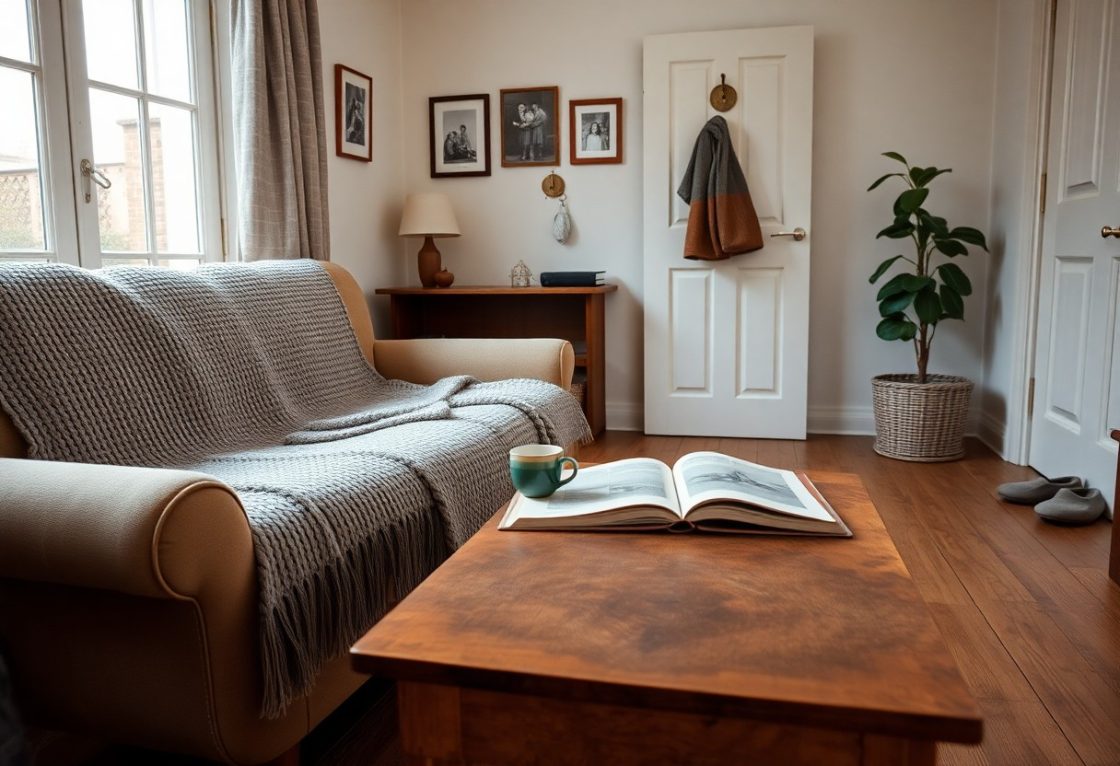
Introduce warm throws, textured pillows, and a heavier rug to build depth while keeping the palette unified; you should favor natural fibers for comfort and longevity. Place bowls of pinecones or dried branches as accents but keep organic elements away from open flames.
Layering textiles and introducing organic elements
Add layers gradually, alternating texture and tone so you can assess each change; you should swap one item at a time to refine the mood. Emphasize soft, low lighting and arrange textiles to avoid obstructing walkways or heaters.
Pros and Cons of Seasonal Interior Transformations
Seasonal interior swaps let you tailor textures, lighting and scent to match cooler evenings, offering instant atmosphere and tactile comfort. Small changes can produce big mood shifts and help you settle into a calmer home rhythm.
Balancing those updates against effort and cost helps you decide which pieces earn a permanent spot and which remain seasonal accents; you’ll protect time and budget while keeping your space intentional.
| Pros | Cons |
|---|---|
| Cozy atmosphere from layers and warm lighting | Requires extra storage for off-season items |
| Improved comfort with thicker textiles | Higher maintenance for seasonal fabrics |
| Enhanced mood and routines | Initial cost for seasonal decor |
| Opportunity to refresh without full remodel | Clutter risk if swaps are frequent |
| Energy savings from targeted warmth | Potential wear and tear on sofas and rugs |
| Flexible styling that reflects the season | Time investment for setup and takedown |
| Ability to highlight cherished pieces | Allergen build-up in stored textiles |
| Creates a sense of occasion at home | Fire risk from candles and dried decor |
Benefits of enhanced comfort and mental well-being
Cozy textures, warm lighting and familiar scents help you settle into slower routines and reduce stress; these sensory cues directly support better mood and restful evenings so you feel more at home.
Considerations regarding storage and maintenance costs
Storage needs rise when you add bulkier blankets and seasonal decor, and you may face additional storage fees or crowded closets that limit daily function.
Potential maintenance includes more frequent washing, repairs and replacements, which can quietly increase your yearly expenses and time spent on upkeep.
You can limit long-term cost by choosing multiuse pieces, investing in breathable storage solutions and scheduling seasonal decluttering to avoid mold, pest damage, or unexpected replacements.
Expert Tips for Maximizing Cozy Ambience
- low-level ambient lighting
- cozy ambience
- seasonal soundscapes
- fragrances
Strategic placement of low-level ambient lighting
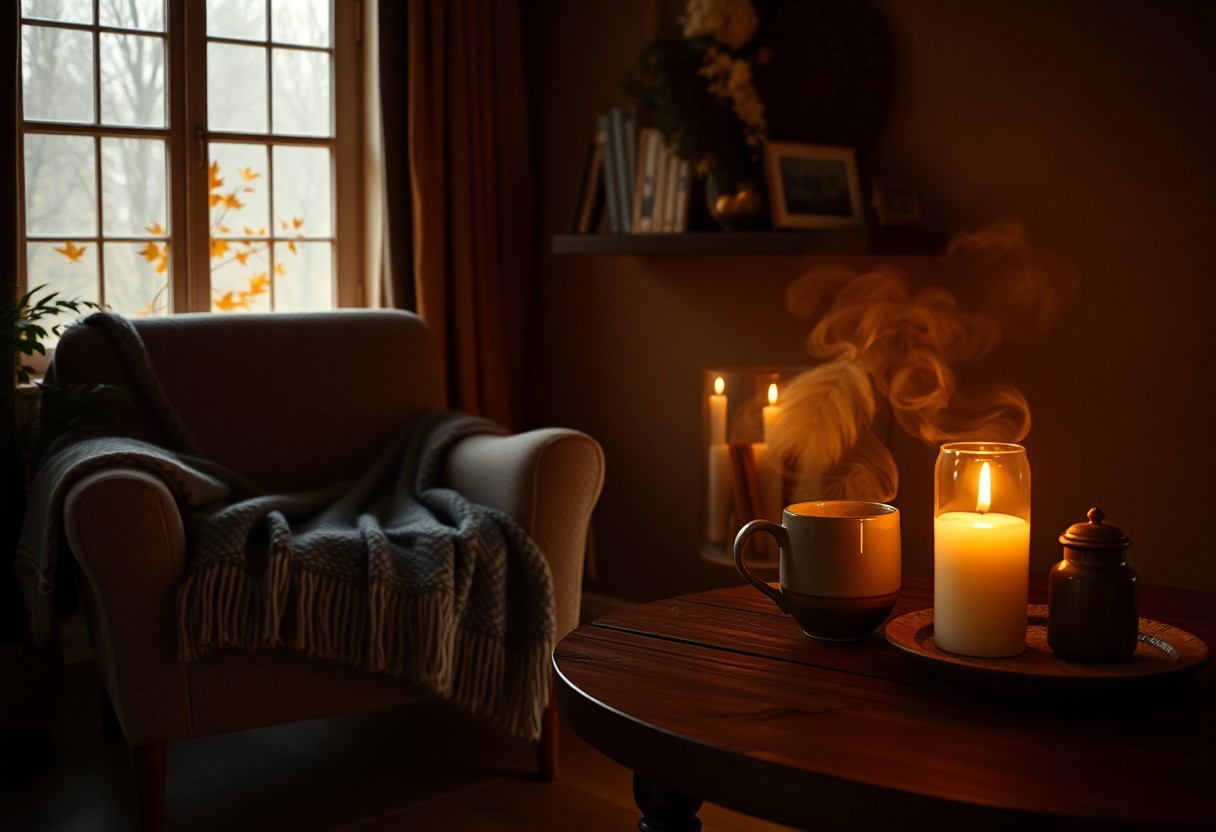
Place lamps and wall sconces at seating height so you shape soft pools of light and avoid harsh overhead glare; you should prioritize low-level ambient lighting to define cozy zones. Use warm bulbs (around 2700K) with dimmers to control mood and create cozy ambience. Keep candles well away from curtains and never leave them unattended, as this is a dangerous fire risk.
Curating seasonal soundscapes and fragrances
Layer quiet playlists, nature tracks, and subtle crackling-fire samples so you match audio to each room’s activity and mood while preserving conversation. Complement sound with scent choices-clove, cedar, and orange-delivered via reed diffusers or timed diffusers to avoid overwhelming the space; these fragrances support the seasonal soundscapes.
Rotate scent strengths and playlists frequently so you prevent olfactory fatigue and keep the mood fresh; you should test scent intensity in a doorway before leaving it running to avoid triggering sensitivities. Balance ambient audio volume so you do not mask important household sounds or alarms, which would be a dangerous oversight.
The final touch is intentional: you can pair a low-volume instrumental playlist with a complementary scent and place them where you spend most time, using subtle changes to maintain cozy ambience without overwhelming guests or family members.
Sustaining the Atmosphere Throughout the Season
You can sustain the autumn mood by keeping low, warm lighting, layered textiles and seasonal scents consistent; make a habit to inspect your heating and smoke alarms and swap lightweight throws for heavier ones as temperatures fall. Use flameless candles when possible to reduce fire risk and preserve that cozy continuity you built earlier.
Layer textures and scents with a simple rotation: swap summer linens for wool, add a scented diffuser pad, and rotate artwork to darker palettes. Store sun-loving plants near brighter windows and ventilate briefly when burning fragranced items to avoid smoke build-up; ventilation keeps air fresh and reduces safety issues.
Adapting decor for late-season transitions
Swap bright accessories for deep tones and introduce heavier drapes to retain warmth; you can focus on movable pieces so you can reverse changes when spring returns. Keep pathways clear to avoid trip hazards, and use labeled storage bins so the seasonal look stays curated without clutter.
Incorporating nature-inspired DIY projects
Bring natural elements indoors with preserved leaves, pinecones and seed pods that you arrange in bowls or garlands; you can treat foraged items with a light spray of clear sealant to limit mold or pests. Choose low-cost projects to keep the vibe personal and place displays away from direct heat.
Create simple DIY wreaths and table runners using dried branches, wired twine and hot glue; test materials near a lamp first and keep flammable pieces at a distance to reduce fire risk. Seal fragile items with shellac for durability and rotate projects weekly to maintain freshness.
Final Words
Drawing together dimmed daylight, crisp air seeping through closed windows, plush throws and the scent of baking, you create an atmosphere that invites slowdown and close attention. Soft lighting, layered textures, and seasonal rituals give rooms emotional warmth while encouraging you to savor privacy and reflection; the season’s palette and rhythm make everyday moments feel more intentional and memorable.