Over time you shape your home’s feel through habits, light, and scent; you must watch for hidden hazards like damp or poor ventilation while you deliberately cultivate comfort and clarity to ensure a healthy, welcoming atmosphere.
Fundamental Factors Influencing Indoor Ambiance
Homes signal mood through texture, color, sound and scent, so you sense a unique atmosphere tied to those choices and routines.
- light – natural timing and color temperature
- air quality – ventilation versus pollutants
- spatial volume – ceiling height and openness
- environmental psychology – cues that change behavior
After you tweak these elements the shift in comfort and mood becomes obvious.
The Science of Environmental Psychology
Studies show that environmental psychology explains how layout, color and scent send signals that shape how you act and feel; repeated cues create habitual responses and emotional tone, so design choices influence stress and calm.
Impact of Light, Air Quality, and Spatial Volume
Light controls circadian rhythm and alertness, so you respond to daylight, warm lamps, and dimming; strong exposure to natural light improves mood and concentration.
Air moves cognition; stale rooms raise CO₂ and you feel sluggish, while fresh ventilation reduces headaches-watch for pollutants that worsen sleep and health.
Space alters perception: higher ceilings and uncluttered floor plans lower anxiety and increase perceived freedom, so spatial volume affects how safe and open you feel.
Distinct Types of Domestic Atmospheres
Homes collect cues of light, scent and sound that shape how you act and feel; furnishings and circulation map daily life into mood. These signals form a distinct atmosphere that signals comfort, function and occasional risk.
Patterns of use-when you cook, rest or entertain-tune layout and finishes and inform material choices. You perceive intimacy or openness through furniture, lighting and acoustics. Knowing how those cues combine helps you adjust spaces for mood and safety.
- Social
- Solitude
- Heritage
- Minimalist
- Hybrid
| Social-Centric | You prefer open plans, shared seating and lively acoustics that invite gatherings. |
| Solitude-Oriented | You value quiet nooks, sound dampening and soft lighting for focus and rest. |
| Heritage-Driven | You keep layered textiles, wood tones and antiques that communicate history and character. |
| Contemporary Minimalist | You choose clean lines, neutral palettes and abundant light for clarity. |
| Hybrid/Adaptive | You mix flexible furniture and zoning to balance interaction and retreat. |
Social-Centric vs. Solitude-Oriented Spaces
You design communal rooms to encourage interaction or carve private corners for retreat; open kitchens and large tables increase connection, while alcoves and soft textiles protect concentration. Poor planning can raise fire risk or overcrowding, so you balance circulation and storage to preserve comfort.
Heritage-Driven vs. Contemporary Minimalist Styles
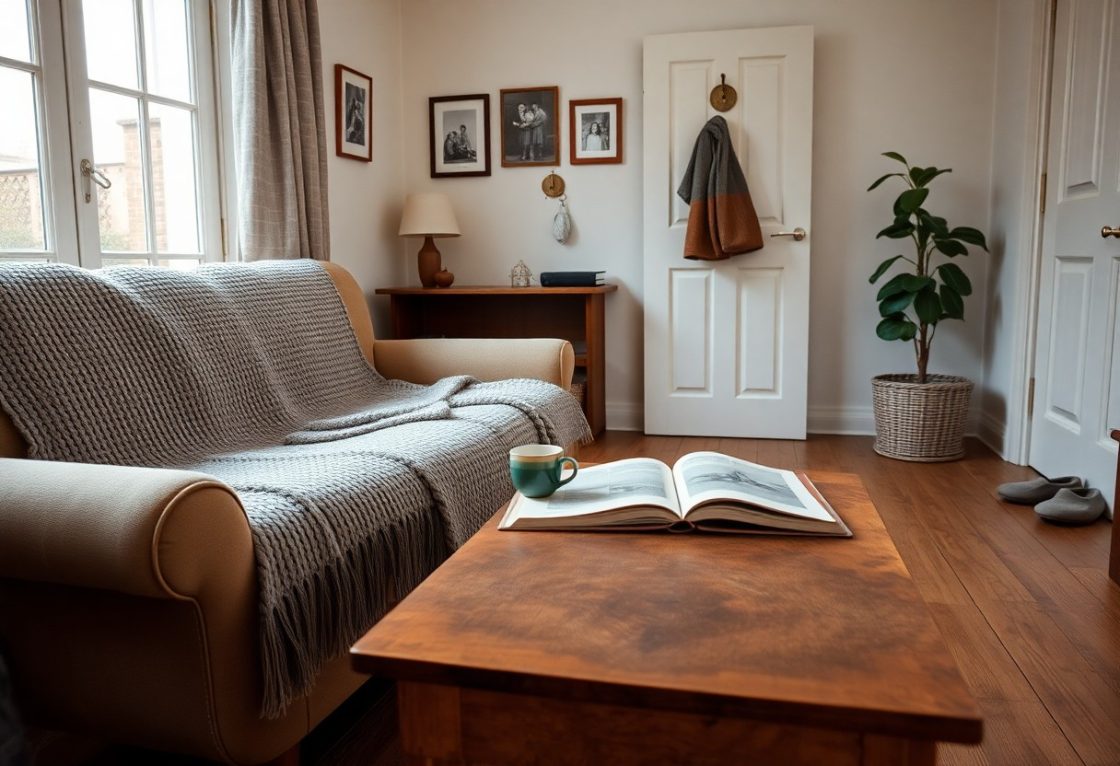
Heritage aesthetics layer pattern, patina and craft so you feel rooted; reclaimed wood and antiques deliver character but may conceal maintenance or air quality issues that you should check.
Contrast comes through minimalism, where you pare back to light, material restraint and function so you experience clarity; sparse schemes demand attention to insulation and finishes to avoid energy loss.
Materials tell the deeper story: you should favor breathable textiles, durable finishes and proper ventilation to reduce mold and toxins, keeping both aesthetic intent and occupant health aligned.
Why Every Home Has Its Own Atmosphere
You can personalize your home by tuning light, scent, texture, and layout to match how you want to feel; prioritize natural light, comfortable textiles, and clear pathways, while addressing fire hazards and allergen sources like mold or pet dander.
Start with small experiments: swap a lamp, introduce a mild scent, or move a chair to test mood changes so you can decide before committing to larger purchases; always avoid open flames near fabrics.
| Area | Action |
|---|---|
| Lighting | Increase daylight, add layered lamps, use dimmers to control mood. |
| Smell | Ventilate, clean, use subtle diffusers; inspect for gas leaks. |
| Sound | Add rugs and curtains or white-noise to soften harsh noise. |
| Clutter & Flow | Declutter, define zones, and maintain clear pathways. |
Evaluating Current Sensory Triggers
Assess how you react to light, scent, temperature, and sound at different times of day; note moments that unsettle you and those that calm you, and address hazards like lingering chemical odors or visible mold immediately.
Strategizing Furniture Placement for Optimal Flow
Arrange seating to face natural focal points so you and guests feel connected; allow at least 30 inches for walking space to preserve comfort and safety while creating clear sightlines.
Position bulky pieces against walls and anchor areas with rugs so you define functions without blocking circulation; keep emergency exits and high-traffic routes unobstructed.
Measure doorways and traffic paths before buying so you ensure pieces fit and avoid trips or blocked escapes; small adjustments often produce big improvements in daily movement.
Pros and Cons of Specific Atmospheric Enhancements
Pros and Cons
| Pros | Cons |
|---|---|
| Lighting: boosts mood, creates focus, enables energy savings | Lighting: glare, maintenance, can wash out textures |
| Color: sets tone, guides behavior, highlights features | Color: bold choices can overwhelm and limit resale |
| Plants: improve air quality and softness | Plants: allergens, upkeep, pests |
| Soundproofing: preserves quiet, improves sleep | Soundproofing: cost, can make spaces feel closed |
| Aromatherapy: quick mood shifts, subtle cohesion | Aromatherapy: sensitivities, lingering odors |
| Smart tech: automation, remote control, efficiency | Smart tech: security vulnerabilities, reliance on connectivity |
Open-Concept Layouts vs. Private Enclaves
Open-concept designs let you entertain and monitor family easily while providing better daylight and perceived space, but you may contend with higher noise levels and less privacy.
Walls or partial dividers allow you to create private enclaves for work or rest; careful placement prevents dark pockets and preserves circulation so you avoid a cramped feel.
High-Tech Smart Integration vs. Analog Comforts
Smart systems give you precise environmental control, scheduling, and notable energy efficiency, yet you must accept potential security risks and periodic updates.
Analog elements-textiles, manual switches, books-offer tactile satisfaction and dependable comfort you can use when technology fails, with no data exposure.
Security practices matter: you should use unique passwords, network segmentation, and timely firmware updates to reduce breach risk and maintain trust in automated features.
Professional Tips for Enhancing Residential Character
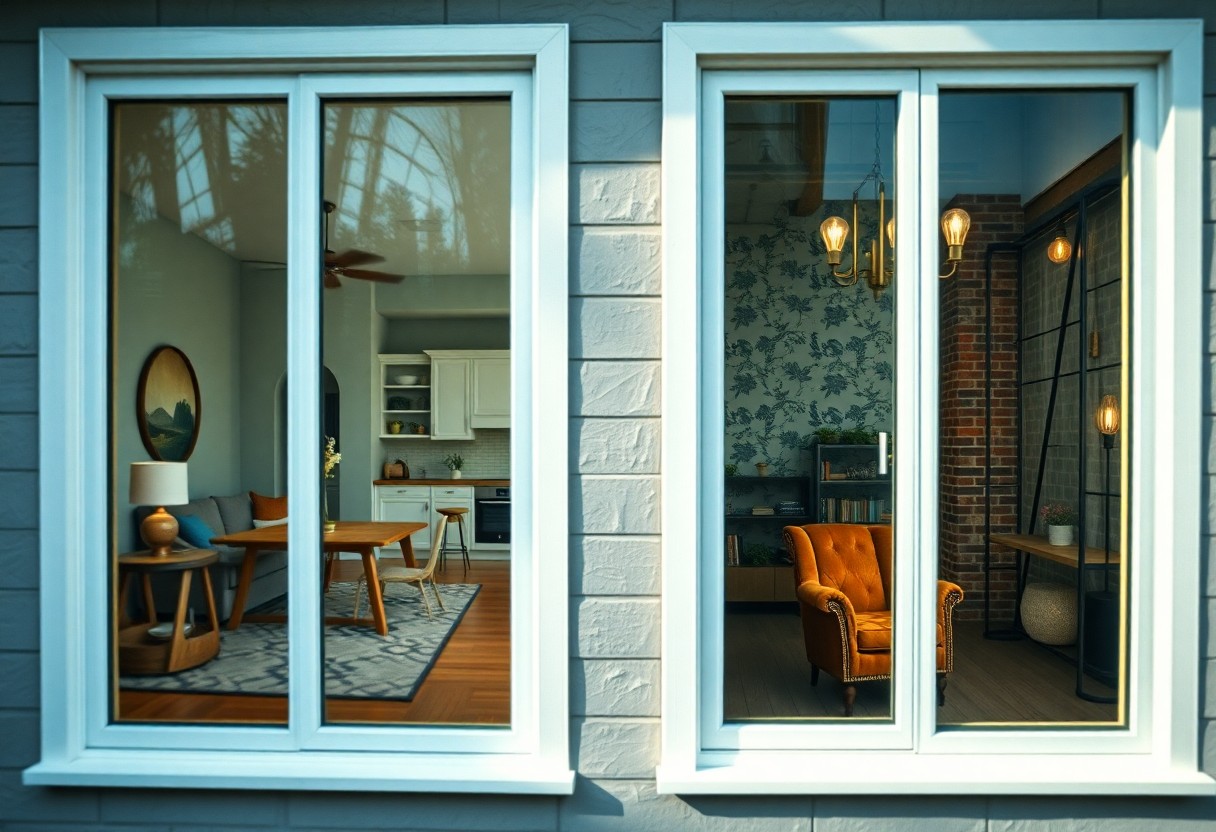
You should refine scale, finish, and circulation to let each room speak; mixing a period piece with contemporary fittings adds depth while keeping the plan readable.
- Atmosphere
- Materials
- Lighting
- Texture
Consider editing displays and sightlines so you reduce visual clutter and avoid trip hazards, letting details read as intentional rather than accidental.
Incorporating Biophilic Elements and Varied Textures
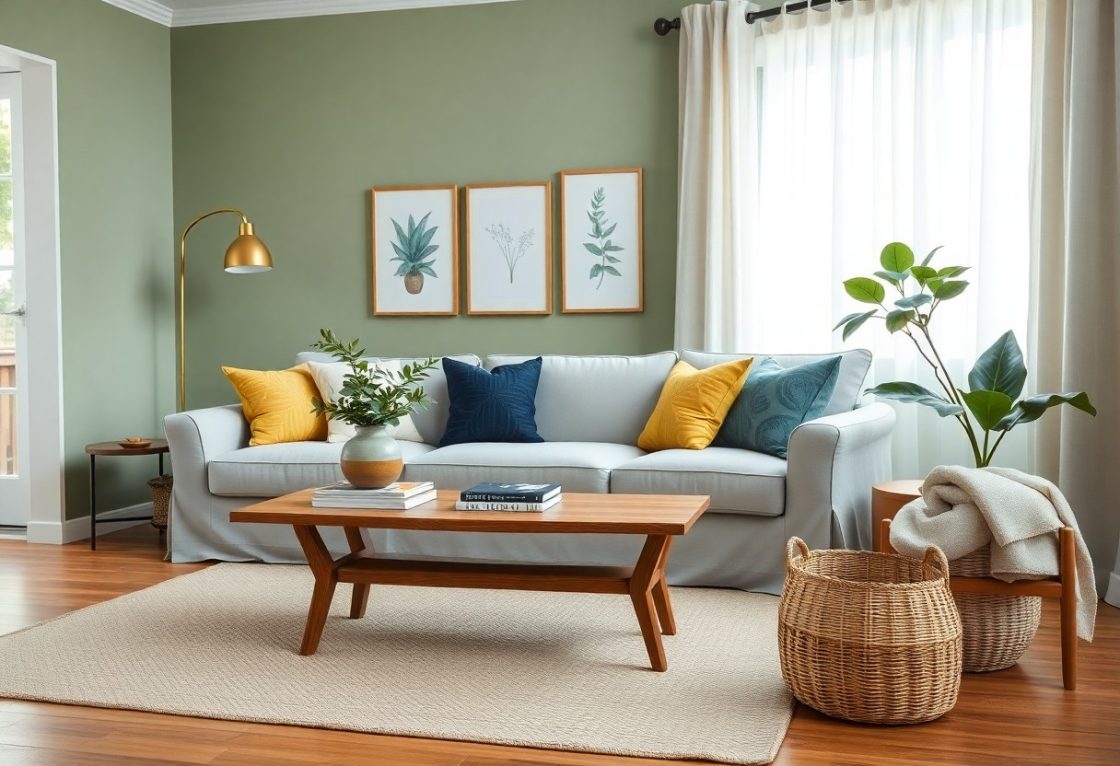
Bring living plants, layered textiles, and natural woods into rooms so you increase natural light benefits and improve air quality, while watching for overwatering that can introduce mold risk.
Balancing Modern Functionality with Personal Artifacts
Balance concealed tech and practical storage with curated displays so you preserve daily efficiency without muting your home’s identity or undermining function.
Assume that you will rotate objects, use shallow shelving and cord management to showcase heirlooms safely and minimize visible clutter while keeping circulation clear for guests and service access.
Summing up
Presently you recognize that a home’s atmosphere arises from your choices, habits and memories, creating a distinctive mood that shapes daily life. Your lighting, layout, possessions and social rhythms communicate comfort, identity and function, so you can intentionally shape the feeling and wellbeing that each room conveys.