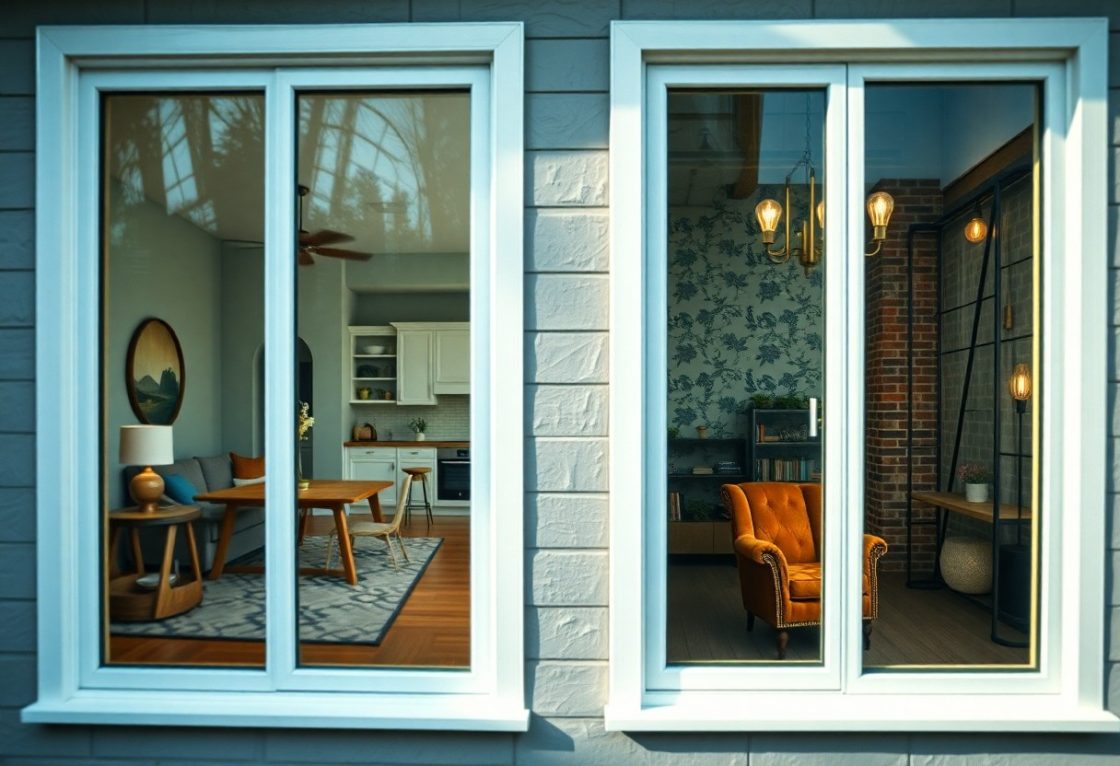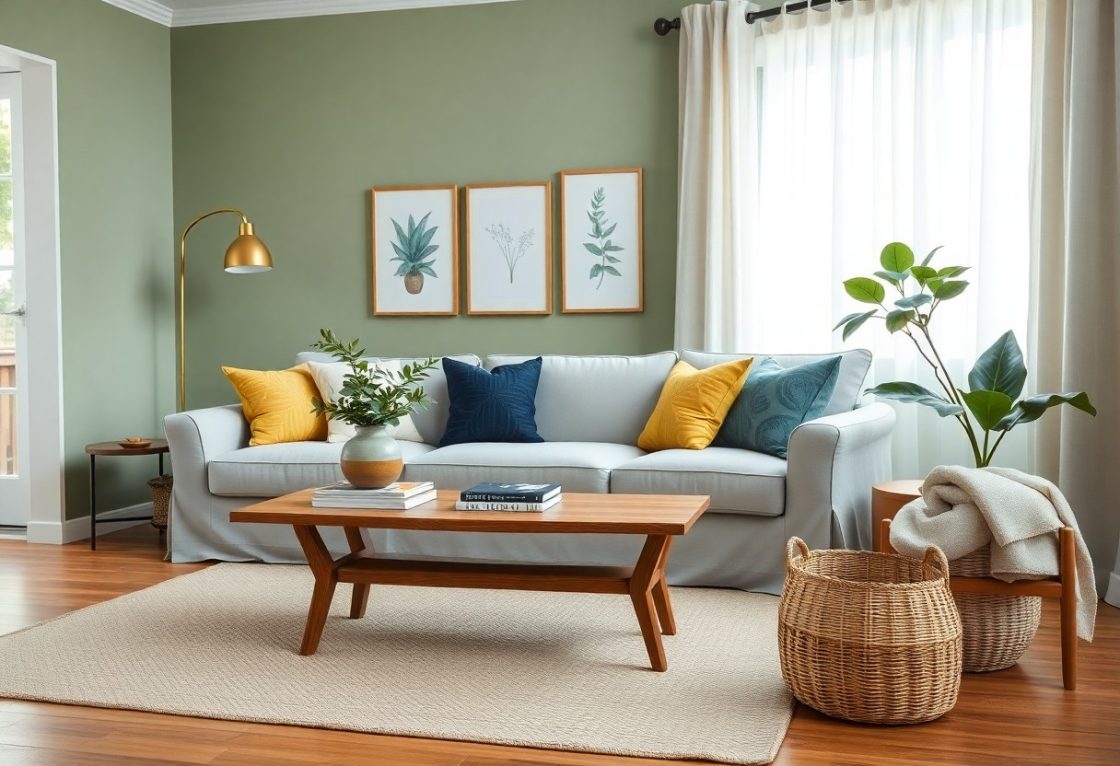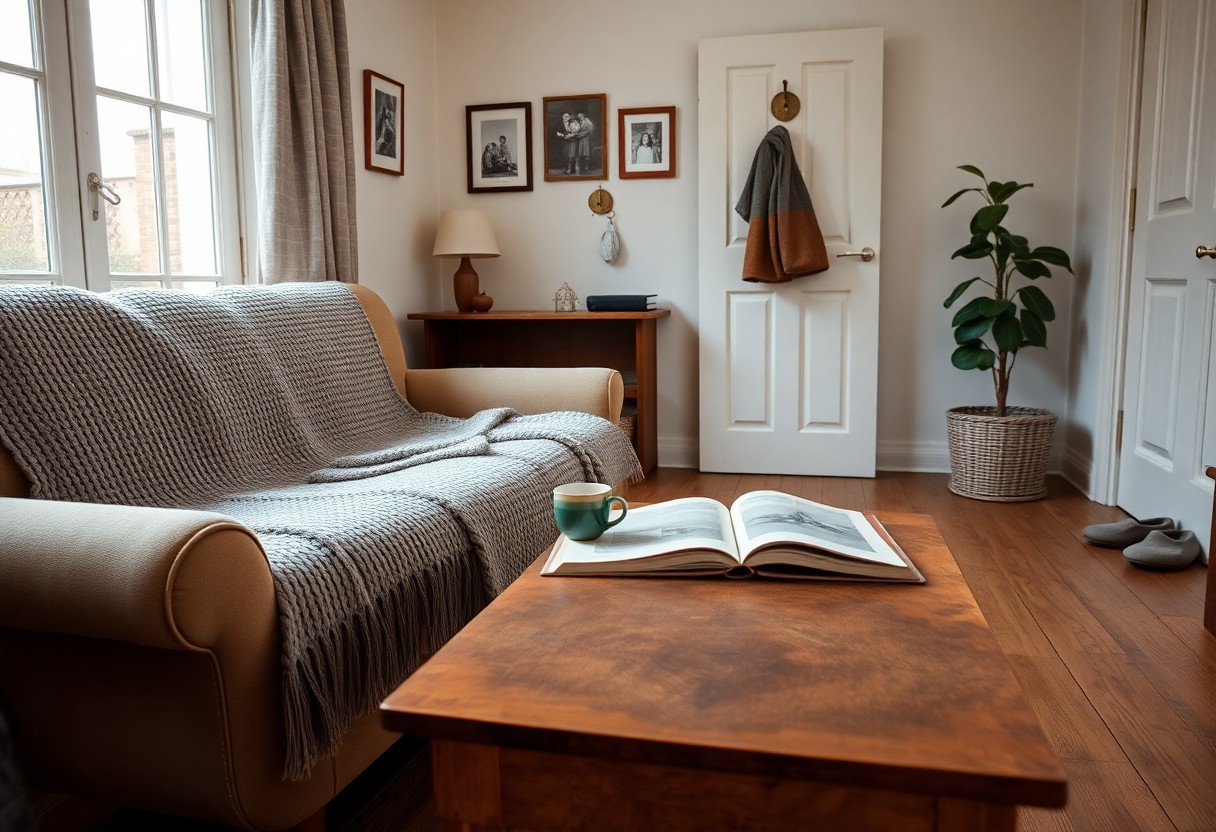
Comfort anchors what makes a house feel like home: you create warmth, personalize spaces, and maintain systems to avoid safety hazards, so your rooms offer daily routines, privacy, and security.
Core Factors That Create Emotional Attachment
You build emotional attachment when rooms mirror your rhythms, house familiar objects and offer predictable comfort, so you feel safe and recognized in your home.
- Personal history in photos and keepsakes
- Safety from reliable locks and lighting
- Comfort through familiar layouts and tactile items
After you arrange spaces to support daily life and remove persistent irritants, the house rewards you with lasting belonging; unchecked clutter or poor lighting will weaken that connection.
The Influence of Natural Light and Spatial Flow
Sunlight lifts mood and reveals surfaces, making natural light important for how you perceive size and warmth while clear spatial flow guides movement without effort.
Open sightlines and intentional thresholds let you move instinctively; blocked passages or dim corners create tension, so prioritize clear pathways and balanced glazing to avoid stress.
Psychological Comfort Through Texture and Color
Texture matters because touch repeats constantly-soft rugs, warm wood and layered fabrics give you psychological comfort, while slick, cold finishes can feel alienating.
Color palettes steer mood: warm, muted tones soothe you and cool hues restore focus, so choose shades that support activities in each zone.
Layering tactile elements with considered paint samples helps you test combinations in real light; mix matte paint, soft throws and natural fibers so you can trust both sight and touch when making lasting choices.
Exploring Different Types of Interior Styles
| Minimalist | Calm surfaces, clutter reduction |
| Scandinavian | Light tones, functional comfort |
| Industrial | Raw materials, structural honesty |
| Eclectic | Layered textures, personal expression |
| Traditional | Warm finishes, timeless detail |
- Functional Minimalism
- Eclectic Design
- Interior Styles
- Comfort
- Identity
Functional Minimalism for Stress Reduction
Simplicity teaches you to keep only what supports daily life, so clutter no longer steals attention and your stress levels drop noticeably.
Eclectic Design and the Expression of Identity
Eclectic choices let you combine pieces that tell your story, helping you create a space where identity is visible and meaningful.
You should balance scale and color to avoid visual overload while allowing bold accents to signal personality and creativity.
Assume that careful curation of patterns, vintage finds, and modern elements prevents the scheme from becoming chaotic and keeps the room feeling intentional.
Structural Choices: Pros and Cons of Various Layouts
Layout decisions shape day-to-day comfort; you should weigh flow against intimacy and how sightlines affect privacy and noise. Open zones boost light and sociability, while defined rooms offer focused function and storage.
Choices about levels and corridors influence mobility and resale; you must consider noise risk in shared areas and the safety implications of stairs for children or elders.
| Pros | Cons |
|---|---|
| Open floor: you gain natural light and easy hosting. | Open floor: you face reduced privacy and amplified noise. |
| Defined zones: you get clear function and storage options. | Defined zones: you lose some flexibility for large gatherings. |
| Single-story: you benefit from easier accessibility. | Single-story: you may need more land and higher footprint cost. |
| Multi-story: you achieve separation of public and private areas. | Multi-story: you introduce stair safety and mobility concerns. |
| Split-level: you create distinct zones without full floors. | Split-level: you can end up with awkward sightlines and steps. |
| Central corridor: you preserve room privacy and organization. | Central corridor: you may sacrifice usable square footage to circulation. |
| L-shaped plan: you enjoy natural outdoor separation and sunlight control. | L-shaped plan: you might limit future expansion or furniture layouts. |
| Courtyard: you gain private outdoor space and secure light. | Courtyard: you increase maintenance and potential security needs. |
Open Floor Plans vs. Defined Functional Zones
Open-plan spaces let you host and keep visual connection across rooms, which makes daily life feel more communal; you should manage clutter and sound with strategic storage and soft surfaces.
Defined zones let you assign purpose so you can retreat for work or rest; you may need adaptable furniture if you want occasional openness without permanent separation.
Balancing Communal Spaces with Private Retreats
Communal areas should invite connection so you can gather without feeling exposed; position seating to face each other and control noise sources like TVs or cooking areas.
Private nooks let you recharge; you should add sound buffers, directional lighting, and controlled sightlines to protect sleep and productivity, making them true retreats.
Consider transitions-hallways, pocket doors, and furniture placement-so you keep social flow while ensuring you have guaranteed quiet when needed; this balance preserves both togetherness and solitude.
A Step-by-Step Method for Curating Your Environment
Quick Steps
| Step | Purpose |
|---|---|
| Audit | Spot patterns and problem areas |
| Edit | Remove clutter and tripping hazards |
| Layer | Add lighting and textiles to increase comfort |
| Personalize | Showcase objects that hold meaning |
| Maintain | Set simple routines to keep spaces functioning |
You should use the table as a practical checklist: perform a room-by-room audit, make surgical edits, and then introduce layers that support daily life while preserving clear pathways and safety.
Identifying Your Unique Aesthetic Preferences
Begin by tracking what draws your eye over weeks: colors, textures, and forms you return to will reveal a consistent style thread you can build on instead of chasing trends that clash with daily use.
Systematic Implementation of Personal Touches
Catalog meaningful items and group them by scale and story, so you can place pieces where they create a clear focal point without overwhelming function; secure fragile objects and avoid placement that creates risk.
Balance visual weight across surfaces and rotate displays seasonally to keep the space feeling intentional; choose durable, everyday pieces for high-use areas and reserve delicate keepsakes for protected spots to preserve both beauty and longevity.
Practical Tips for Increasing Domestic Comfort
You should tune lighting, textiles, and temperature to create consistent domestic comfort, adding soft layers for tactile warmth and clear sightlines for ease of movement. Avoid excess humidity that encourages mold and stale air.
- Insulation and draught-proofing
- Thermostat zoning
- Soft textiles and layered lighting
The small, regular habits you adopt-ventilating after cooking, scheduling maintenance, and swapping filters-protect comfort and reduce pollutants.
Strategies for Enhancing Indoor Air Quality and Scent
Ensure you open windows briefly, use exhaust fans, and control humidity to protect indoor air quality and reduce pollutants. Monitor with a simple sensor to spot spikes.
Use HEPA filters, regular vacuuming, and low-VOC products to limit irritants while choosing subtle natural scent options so you avoid overwhelming guests or triggering sensitivities.
Utilizing Greenery to Build a Connection with Nature
Bring plants into light-filled corners and group them for microclimates that boost humidity and create a visible connection with nature; avoid known toxic species if you have pets.
Position plants to match their light needs, rotate them for even growth, and use well-draining soil to prevent root rot that breeds mold.
Select pet-safe varieties such as spider plant, areca palm, or Boston fern, and cluster them to simplify care while improving visual calm and subtle air benefits.
To wrap up
You make a house feel like home by collecting memories, arranging spaces around daily life, and bringing objects that reflect your history and priorities. Consistent routines, warmth in lighting and textiles, and clear places for gathering and privacy shape comfort. Intentional choices about layout, colors, and personal items create an atmosphere that supports how you live, rest, and connect with others. The result is a place that responds to your needs and invites you to stay.