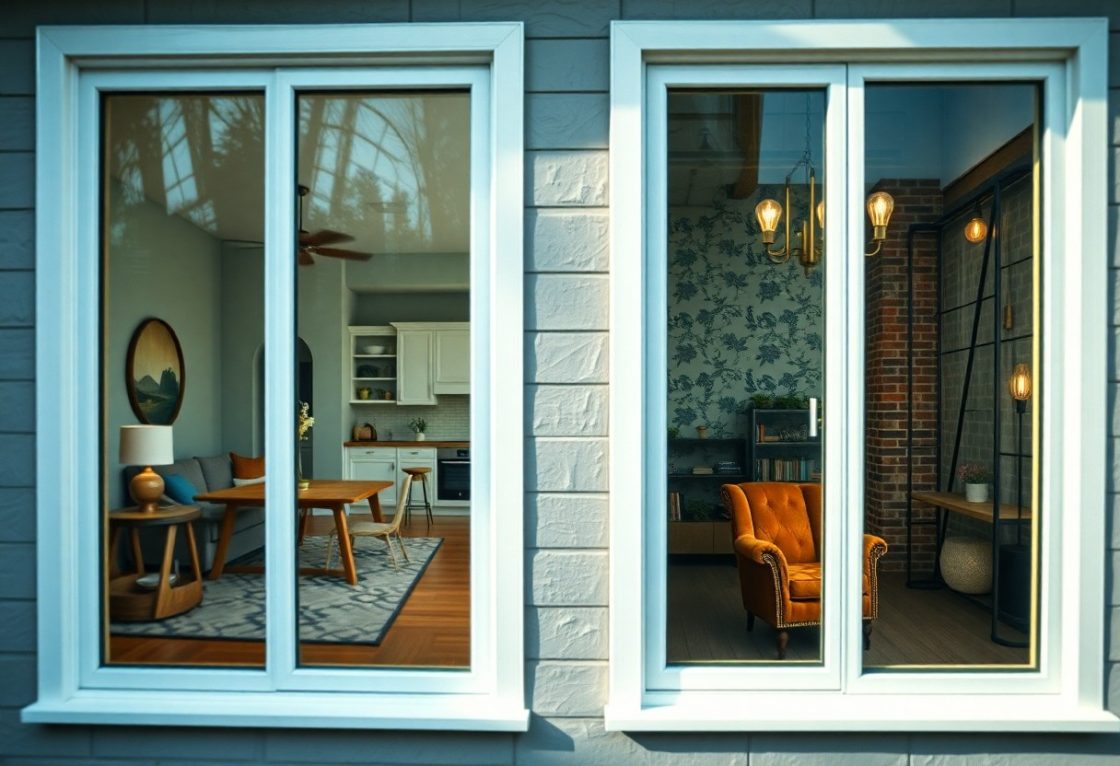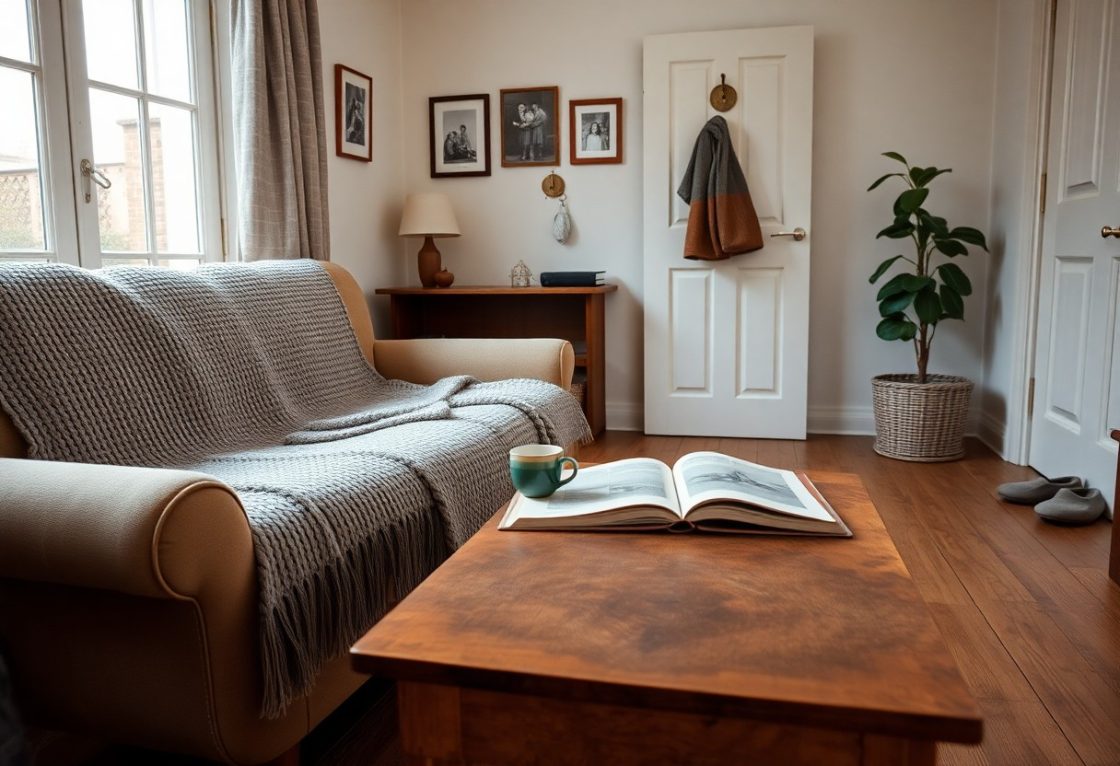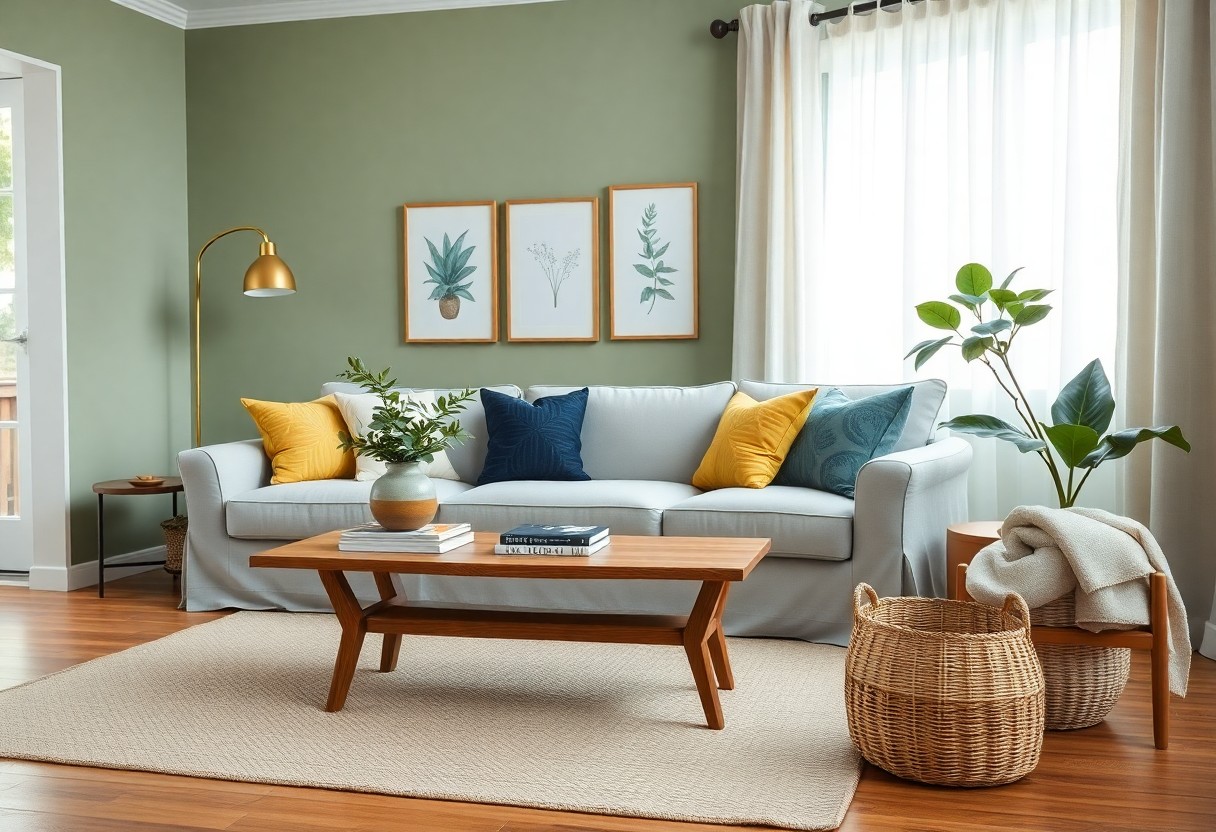
This guide shows how small swaps make your living room feel new: change lighting, rearrange seating, and update textiles. You can refresh the space with cost-effective changes, remove trip hazards for safety, and enjoy instant visual impact.
Primary Types of Living Room Enhancements
You can target five focused areas-textiles, upholstery, lighting, hardware, and walls-to make the space feel refreshed with small, affordable edits. Small swaps like new cushion covers, a brighter lamp, or updated pulls deliver a noticeable style shift without a full remodel. Thou will see immediate impact when you cut visual clutter and boost functional comfort.
- Textiles
- Upholstery
- Lighting
- Hardware
- Walls & Art
| Textiles | Swap throws, cushions, and rugs |
| Upholstery | Use slipcovers or replace seat foam |
| Lighting | Add lamps, dimmers, warm bulbs |
| Hardware | Replace pulls, feet, and switch plates |
| Walls & Art | Paint accent wall, curate minimal frames |
Textile and upholstery refreshes
Swap heavy fabrics for lighter, textured options and choose washable covers to refresh the room while reducing upkeep; mix a patterned throw with solid cushions to add depth without chaos. You can reupholster key pieces or add slipcovers to change color and feel on a budget.
Strategic lighting and hardware updates
Adjust lighting layers by pairing a warm overhead source with floor and task lamps to control mood and avoid harsh glare; select high-CRI bulbs for truer color and improved comfort. You should swap mismatched switches and cheap pulls for coordinated finishes to refine the look.
Consider installing dimmers and placing lamps near seating to create flexible scenes that serve reading, relaxing, and entertaining while keeping brightness comfortable.
Wall treatments and minimalist art curation
Layer a single accent wall or subtle textured finish to add depth without overwhelming the room; pair muted palettes with slim frames to keep walls calm and cohesive. You can hang a small, balanced gallery to create a focal point without clutter.
Balance scale and spacing by using even gaps and negative space; choose three to five pieces in unified tones to guide the eye and preserve openness.
Critical Factors in Atmospheric Design
- scale
- natural light
- color temperature
- focal point
Assessing spatial flow and furniture scale
Measure pathways and sightlines so you maintain clear pathways; you should aim for 60-90 cm walking channels and balance seating distances to preserve comfortable movement and proper scale.
Place furniture to form conversational clusters and define zones; you can swap oversized pieces for lower-profile options to improve proportion and reduce visual clutter while keeping usable space.
Evaluating natural light and color temperature
Observe daylight patterns across the day and note spots with persistent glare or deep shadow; you should map windows and reflective surfaces so you know where to add shading or fill light.
Adjust window treatments, bulb selection, and fixture placement so you control intensity and match color temperature across layers; you can use warmer tones for relaxed areas and cooler light for tasks.
Light variables
| Variable | Consideration |
|---|---|
| Window direction | Morning vs. afternoon brightness and heat |
| Glare spots | Need for shades or diffuse glazing |
| Existing fixtures | Mixing color temperatures can cause imbalance |
Calculate lumen totals and fixture placement so you layer ambient, task, and accent lighting effectively; you can dim or add accents to reduce glare and preserve comfortable contrast for activities.
Lighting adjustments
| Adjustment | Effect |
|---|---|
| Dimmer switches | Control overall intensity |
| Warm bulbs (2700-3000K) | Cozy, inviting atmosphere |
| Task lamps | Focused light without raising ambient level |
Identifying a central focal point
Pinpoint the strongest visual anchor-fireplace, large window, or prominent artwork-and orient seating to highlight that focal point so you create a clear center of attention.
Balance the room by adding secondary accents like rugs, lamps, or symmetrical elements so the focal feature feels intentional and not overpowering; you might adjust sizes to restore visual harmony.
Refine placement and lighting angles as you test sightlines, and you should tweak contrast or scale until the eye is drawn naturally without competing elements causing distraction.
This helps you fine-tune flow, light, and focus so the living room feels refreshed without major renovation.
Step-by-Step Guide to Refreshing Your Space
| Step | Focus |
|---|---|
| Declutter | Clear surfaces, sort keep/donate/recycle |
| Reconfigure | Create flow and practical seating zones |
| Textiles | Swap cushions, rugs, and throws for instant color |
| Layer | Add lighting, plants, and mixed textures |
Performing a comprehensive decluttering audit
Clear one zone at a time and work in short bursts so you don’t get overwhelmed; set a 20-minute timer and sort into keep, donate, and recycle piles. If items block walkways or create visual clutter, remove them immediately to reduce safety and aesthetic issues.
Reconfiguring the layout for improved functionality
Shift large pieces to test new focal points and ensure comfortable circulation-aim for 30-36 inches between pathways and furniture for easy movement. Consider how you use the room daily and place seating to support conversation, TV viewing, or reading corners.
Experiment with temporary markers like painter’s tape or cardboard to map sofa and rug positions before heavy lifting; this lets you try multiple layouts quickly and prevents costly mistakes when you commit to a new arrangement.
Layering decorative elements for depth
Place a mix of textures, scales, and greenery to create warmth: pair a smooth side table with a chunky throw and a glossy vase to add contrast. Use one statement piece to anchor the scheme without overwhelming the space.
Layer lighting-ambient, task, and accent-to control mood and highlight features; you can change the room’s feel instantly by swapping a lamp or adding a low-wattage accent bulb for softer evenings.
Professional Tips for High-Impact Styling
These notes help you focus on scale and placement to refresh your living room without a full overhaul.
Apply focused shifts-swap a rug, tweak lighting, rotate accessories-to create visual balance and help you avoid overcrowding.
- rule of threes
- textures
- greenery
- scale and proportion
Utilizing the rule of threes in accessory placement
Place groupings in odd numbers, aiming for a dominant piece plus two supporting items; this rule of threes gives you instant cohesion and natural rhythm.
Mixing textures to create sensory interest
Vary textures-linen, leather, wool-to add depth so you can touch and see contrast while keeping the color story unified to preserve harmony.
Layer throws, pillows, and a textured rug to create multi-sensory appeal; let a single bold texture anchor the scheme while you use softer elements for comfort.
Incorporating greenery for organic vitality
Add varied plant sizes-floor-standing, tabletop, hanging-to introduce freshness and soften hard edges while you avoid overwatering.
Recognizing that low-light rooms need tolerant species like snake plants and ZZ plants helps you pick durable options and avoid plant loss.
Pros and Cons of Incremental Room Updates
These incremental updates let you test styles while controlling costs; you can swap textiles, adjust lighting, or rearrange furniture to find what feels right without major commitment.
Expect that piecemeal changes may produce a mismatched look if you don’t maintain a consistent palette; you should track colors and finishes so the room reads as a single, intentional space.
| Pros | Cons |
|---|---|
| Lower upfront cost | Limited impact on structure |
| Minimal disruption to daily life | May feel patchy without a plan |
| Quick visual results | May require repeated purchases |
| Easy to test trends | Limited effect on resale value |
| Flexible and reversible | Hidden issues remain |
| Good option for renters | Can extend timeline if staged |
| Improves mood quickly | May create clutter during process |
| Allows gradual investment | Coordination complexity for large items |
Benefits of cost-effective aesthetic shifts
You stretch your budget by targeting surfaces-paint, cushions, and hardware-for high visual impact for low cost; you can update frequently, try trends, and avoid large upfront investments.
Limitations regarding structural and architectural changes
Structural changes can’t be addressed by surface tweaks, so you will still need permits and professionals when altering walls or wiring; accept that small updates won’t fix layout problems or hidden mechanical issues.
If you attempt major work piecemeal, you may face repeated outages, higher cumulative costs, and safety risks from incomplete repairs; you should plan for professional assessments before starting so you avoid costly surprises.
Conclusion
With these considerations you can refresh your living room without a full remodel; swap textiles, rearrange furniture, update lighting, and add a statement accessory to shift mood and function. You will notice a renewed sense of space and comfort when you focus on scale, color balance, and purposeful clutter control.