Most rooms gain instant warmth when you use natural materials like reclaimed wood, wool rugs, and stone accents to add texture and soft light. You should seal wood and avoid dried botanicals near heat sources because dried botanicals can be fire hazards.
Primary Types of Natural Materials for Home Decor
Wood, bamboo, cork and stone offer tactile warmth and age gracefully; you can mix Hardwood, Bamboo, Cork, Natural Stone, Clay, Terracotta, Wool, Linen and Jute for layered texture and lasting appeal.
Perceiving how each choice reacts to light, wear and moisture helps you prioritize maintenance and placement.
| Hardwood | Warm, durable flooring; sensitive to moisture and scratches. |
| Bamboo | Fast-growing, sustainable alternative; stable and formally durable. |
| Cork | Insulating and soft underfoot; resists mold but can dent. |
| Natural Stone / Clay / Terracotta | Cool, heavy surfaces; often porous, so sealing is recommended. |
| Organic Textiles | Wool, linen and jute add warmth and texture; require specific care. |
- Hardwood
- Bamboo
- Cork
- Natural Stone
- Clay
- Terracotta
- Wool
- Linen
- Jute
Hardwood, Bamboo, and Cork Options
Bamboo performs like a wood alternative with good strength, while Hardwood brings timeless grain and higher longevity; Cork offers sound insulation and comfort but can dent under heavy furniture.
Natural Stone, Clay, and Terracotta
Stone and fired clays provide a cool, durable surface ideal for floors and accents, though the porous nature of terracotta and some stones means you should plan for sealing and occasional resealing.
Durability varies by type: marble and limestone can scratch, slate resists abrasion, and terracotta chips more easily, so you should match finish and traffic levels to each space.
Organic Textiles like Wool, Linen, and Jute
Textiles like Wool, Linen and Jute add tactile warmth and acoustic dampening; you should weigh softness against care needs and potential shedding.
Feel of fibers differs: wool insulates and resists flame, linen breathes and wrinkles, jute is coarse yet sustainable, so choose based on use and maintenance tolerance.
Essential Factors to Consider for Your Space
Assess how natural materials will handle your home’s climate, maintenance, and finishes so you pick durable options that keep warmth without constant upkeep.
- texture
- durability
- color
- sourcing
Balance tactile warmth with practical care to suit your routine. Recognizing that maintenance and placement determine long-term comfort will guide smarter selections.
Room Functionality and Traffic Levels
Consider how often you use each room and place durable materials where wear is highest so you maintain warmth without frequent replacement.
Adapt your choices in entryways and kitchens toward sealed woods, stone, or treated textiles so you protect surfaces while keeping a cozy feel for guests and family.
Color Theory and Visual Temperature
Choose warm-toned natural materials-honey oak, terracotta, and wool-to make rooms feel cozy and visually warmer without raising actual temperature.
Pair warm finishes with cooler accents sparingly so you keep visual balance while ensuring focal areas read as inviting; you should let wood tones dominate where you want intimacy.
Color vs Effect
| Honey oak / warm wood | Adds depth and warmth |
| Terracotta / clay | Evokes heat and earthiness |
| Wool / soft textiles | Softens light, invites touch |
| Light walls | Reflects light, cooler backdrop |
Mix saturated accents with neutral natural bases so you direct attention and keep rooms feeling warm without overwhelming the senses.
Budgeting for Sustainable Sourcing
Set a realistic budget that favors quality on high-use pieces so you invest in items that maintain warmth and last longer, like a reclaimed-wood table you can live with.
Opt for certified or reclaimed materials when possible so you reduce environmental impact and often gain longer lifespan that pays off over time.
Budget Choices
| Low cost | Affordable but shorter lifespan |
| Mid-range | Mix of reclaimed and new, better longevity |
| Investment | Certified hardwoods, longest life |
Allocate funds toward finishes and protective treatments so you avoid premature repairs and keep materials looking and feeling warm for years.
Pros and Cons of Using Organic Elements
Consider how natural materials alter mood and maintenance demands; you can gain warmth and better indoor air while balancing extra care and upfront expense. The table below outlines common trade-offs to help you decide.
| Pros | Cons |
|---|---|
| You gain natural warmth and tactile depth. | You may face staining and wear over time. |
| You reduce synthetic off-gassing and enjoy improved air quality. | You might need treatments to resist mold and insects. |
| You support eco-friendly sourcing when you choose responsibly. | You could pay a higher upfront cost for quality pieces. |
| You create a unique, layered aesthetic difficult to mimic. | You should expect variable colors and natural imperfections. |
| You benefit from long-lasting materials like hardwood and stone. | You require periodic sealing or refinishing for longevity. |
| You can compost or recycle elements at end of life. | You face potential pest concerns if storage is poor. |
| You enjoy acoustic dampening with natural textiles. | You may need regular cleaning to prevent allergen buildup. |
| You add perceived value through quality materials. | You must weigh maintenance time against the aesthetic payoff. |
Advantages of Durability and Air Quality
Wood and stone often outlast synthetics, and you will notice durability that protects long-term investment while breathable materials improve indoor climate. Choosing finished pieces lowers upkeep and preserves the air quality benefits you value.
Potential Challenges in Maintenance and Cost
Expect regular care such as sealing, polishing, or specialist cleaning to keep organic elements performing; you should plan for periodic work to avoid mold or surface damage. Budget for occasional professional attention to maintain appearance and safety.
Costs can be front-loaded: you may spend more upfront on responsibly sourced hardwood or stone, but careful maintenance extends life and can offset replacement expenses; you should compare lifecycle costs, factoring in treatments, humidity control, and possible pest prevention to make an informed choice.
Professional Tips for Achieving a Warm Aesthetic
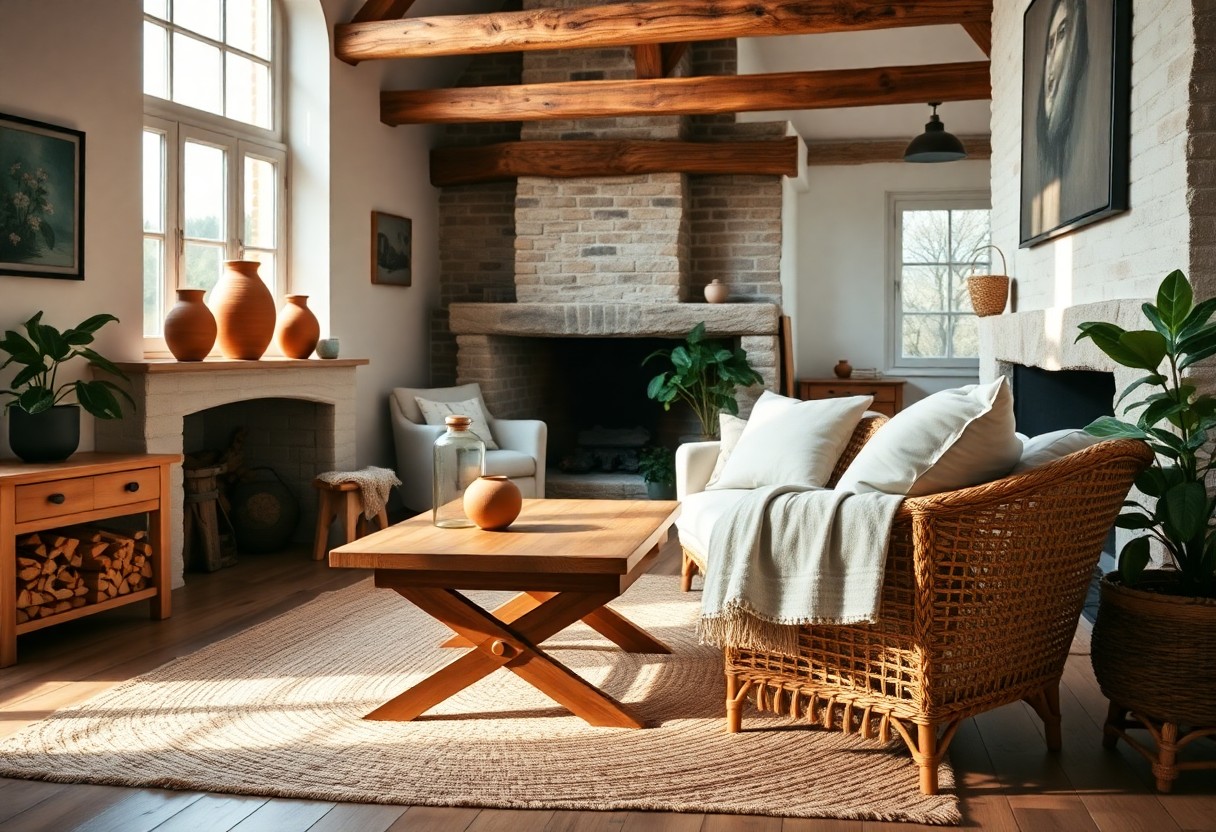
Use layered natural materials to build instant warmth: combine wood grains, stone accents, and woven textiles so each surface contributes texture and tactility.
- Prioritize sustainable natural materials like reclaimed wood and jute.
- Mix matte stone with soft upholstery to avoid glare and add depth.
- Limit dried botanicals near heat sources because they can be flammable.
- Rotate textiles seasonally to refresh warmth without heavy renovation.
After testing combinations in a small area, you should lock in finishes that balance wear with the desired aesthetic.
Balancing Raw Textures with Soft Finishes
Mix coarse surfaces with plush fabrics so you maintain visual interest while keeping comfort central; use rugs and throw pillows to soften stone or metal edges and protect feet and finishes.
Integrating Biophilic Elements and Greenery
Bring plants into high-use zones to improve air quality and connect you to the outdoors; place planters at varying heights to create a layered, living composition.
Place hardier species like snake plant or pothos in low-light spots and use terracotta or glazed pots to complement your earth-toned palette while making care simple.
Utilizing Earth-Toned Color Palettes
Choose a base of warm neutrals-beiges, ochres, muted terracottas-and anchor rooms with a darker wood or leather piece to give the palette weight and cohesion.
Combine accent colors sparingly: a deep olive cushion or rust throw reads as intentional and keeps the focus on material texture rather than loud hues.
Step-by-Step Guide to Layering Natural Textures
| Step | Action |
|---|---|
| Foundation | Place large furniture to anchor the room with solid natural materials |
| Mid-layers | Add rugs and window treatments to define zones and trap warmth |
| Finishing | Use organic accessories for texture, contrast, and life |
Establishing a Foundation with Large Furniture
Position large pieces to create an anchoring effect; place your sofa and main storage so sightlines stay open and you avoid a cluttered feel. You should pick frames in solid wood or woven rattan to introduce durable texture that sets the tone for softer layers.
Adding Depth Through Rugs and Window Treatments
Layer rugs and curtains to define areas: use a durable jute or low-pile wool underlay with a softer rug on top to add comfort and warmth. You must guard against trip hazards by securing rug edges and using non-slip pads where layers meet.
Choose rug sizes that allow furniture legs to sit on the rug for cohesion, and hang curtains high to lengthen walls; heavier linens add insulation while sheers soften light. You can mix subtle patterns but keep a unified palette, and plan for cleaning since some natural fibers trap dust.
Finalizing the Look with Organic Accessories
Select accessories like woven baskets, stone bowls, ceramic vases and potted plants to introduce contrast and life. You should group objects in odd numbers and vary height to keep surfaces interesting without overwhelming the layered base.
Avoid placing dried botanicals near flames and keep textiles out of prolonged sun exposure to prevent flammable risks and sun-fade; rotate and wash natural fibers regularly so your layered textures remain attractive and safe.
Maintenance and Longevity of Natural Surfaces
You should establish a gentle cleaning routine and control humidity to extend the life of natural surfaces. Wipe spills promptly, use soft tools, and place mats in high-traffic areas. For porous materials, apply a quality sealer and reapply as recommended; sealing prevents stains and reduces long-term moisture damage.
Avoid harsh chemicals and abrasive pads that can strip finishes or etch stone; always test cleaners on a hidden spot. Keep indoor humidity between 40-55% to reduce warping and mold, and consult a professional for major repairs rather than attempting risky DIY fixes.
Proper Care for Porous Stone and Wood
Seal porous stone and unfinished wood with products matched to the material and follow cure times, because if you skip reapplication seal failure leads to deep staining. Monitor water beading to know when to reseal.
Use pH-neutral cleaners on stone and soap-free solutions for wood, wiping with a damp cloth instead of soaking. If a stubborn stain appears, choose a product labeled safe for that surface or ask a conservator for guidance.
Preserving the Integrity of Natural Fibers
Rotate rugs and cushions regularly and alternate high-use items so your textiles wear evenly; vacuum with a soft brush attachment and treat spills immediately to prevent set-in damage. Watch for moth and moisture damage, which can escalate quickly if neglected.
Inspect natural fiber pieces often for fraying, loose seams, or insect activity, and address problems early with gentle mending or professional repair. For storage, keep items dry and wrapped in breathable cotton rather than plastic to avoid trapped moisture.
Summing up
As a reminder, using natural materials like wood, stone, wool, and plants adds texture and warmth that makes your home feel inviting. You should combine varied textures, stick to an earthy palette, and emphasize tactile details so rooms feel comfortable and timeless.